
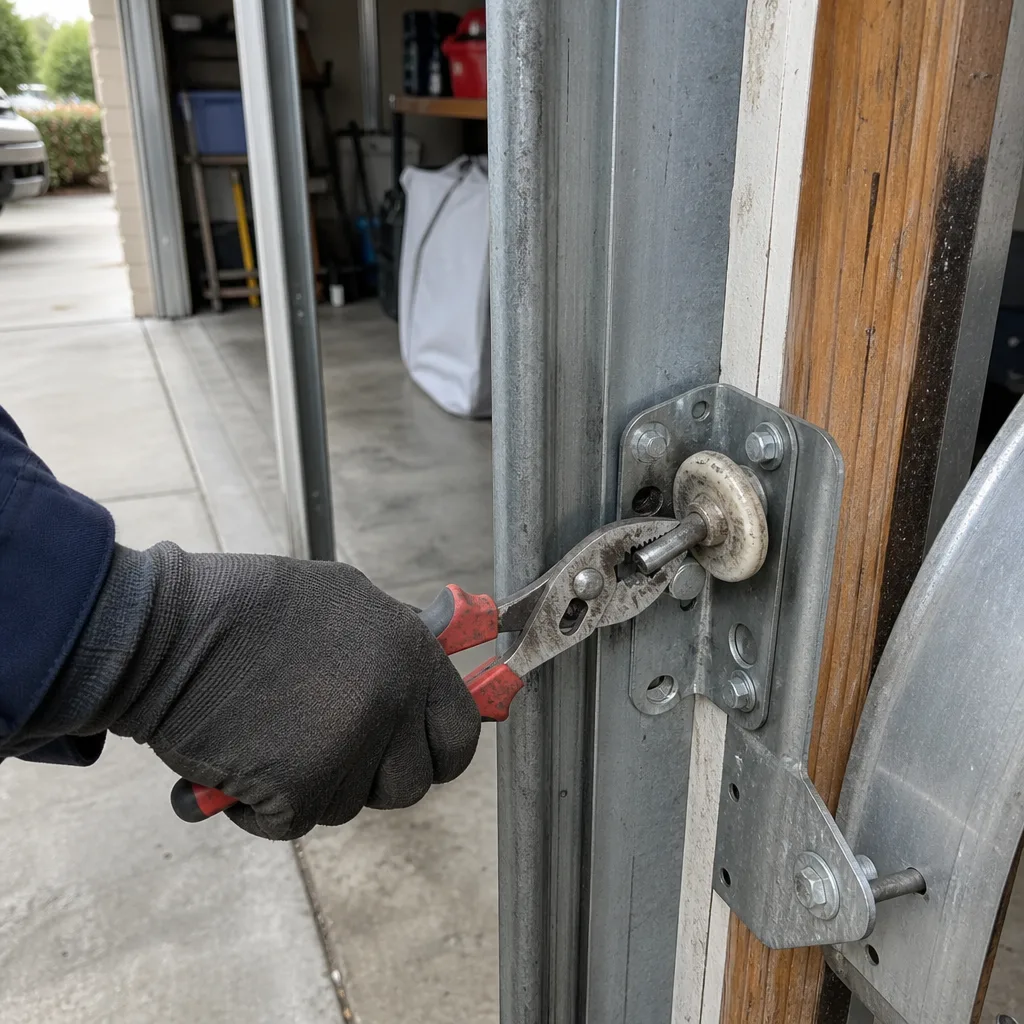
Last updated November 16, 2026
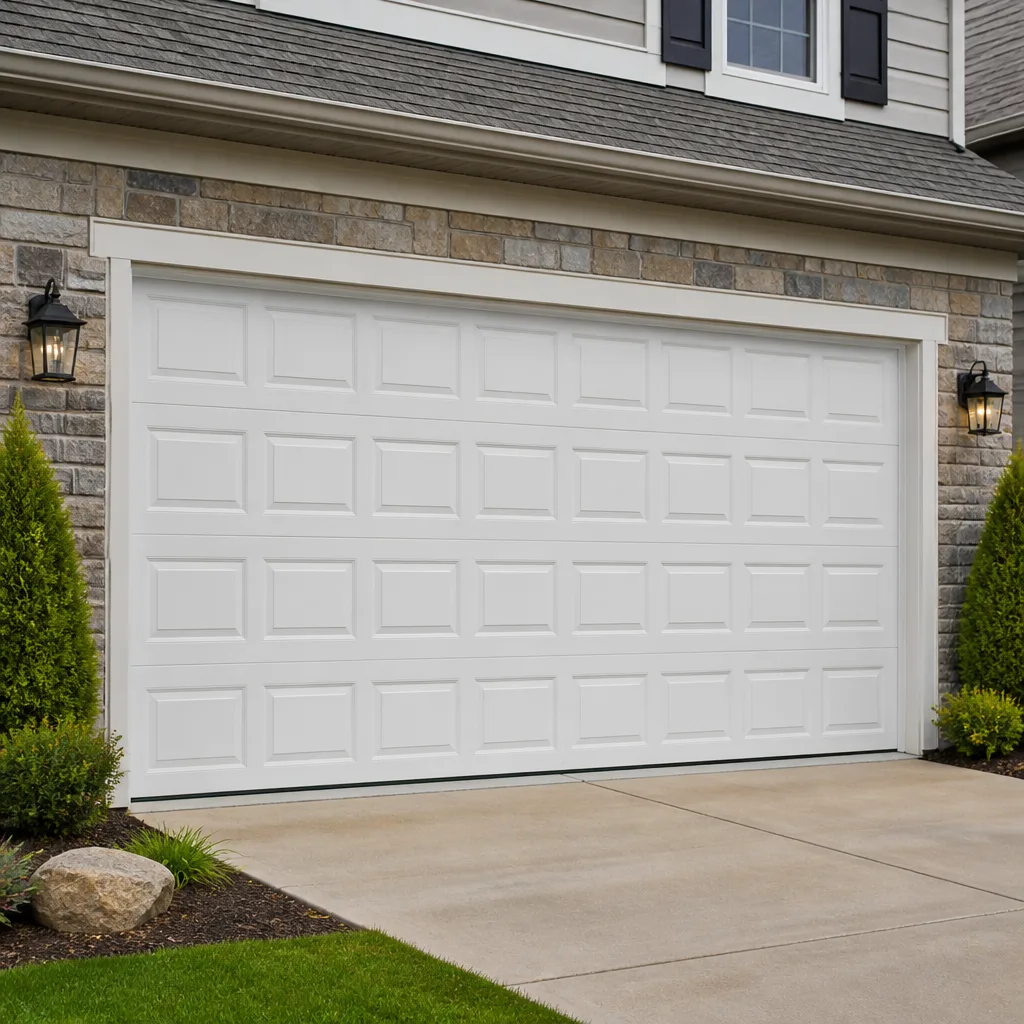 Raised-panel steel
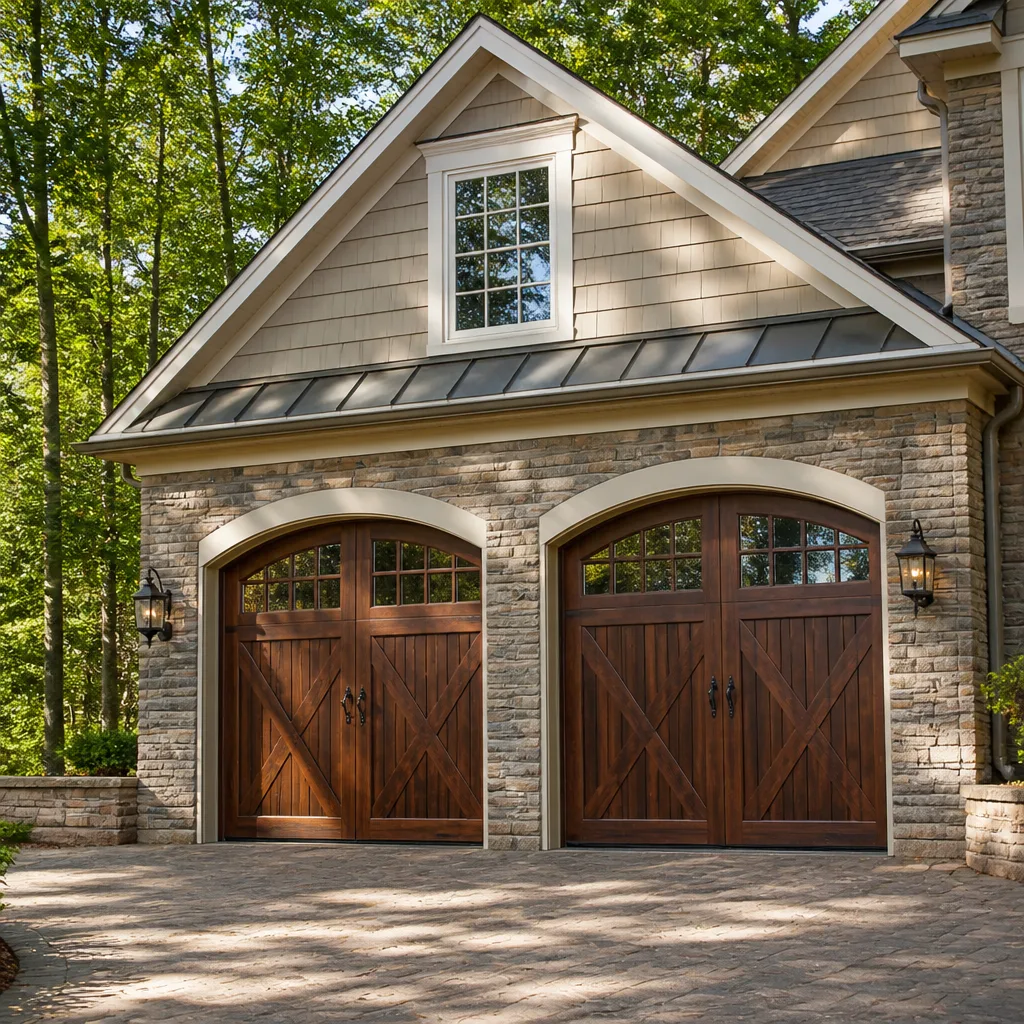 Carriage house
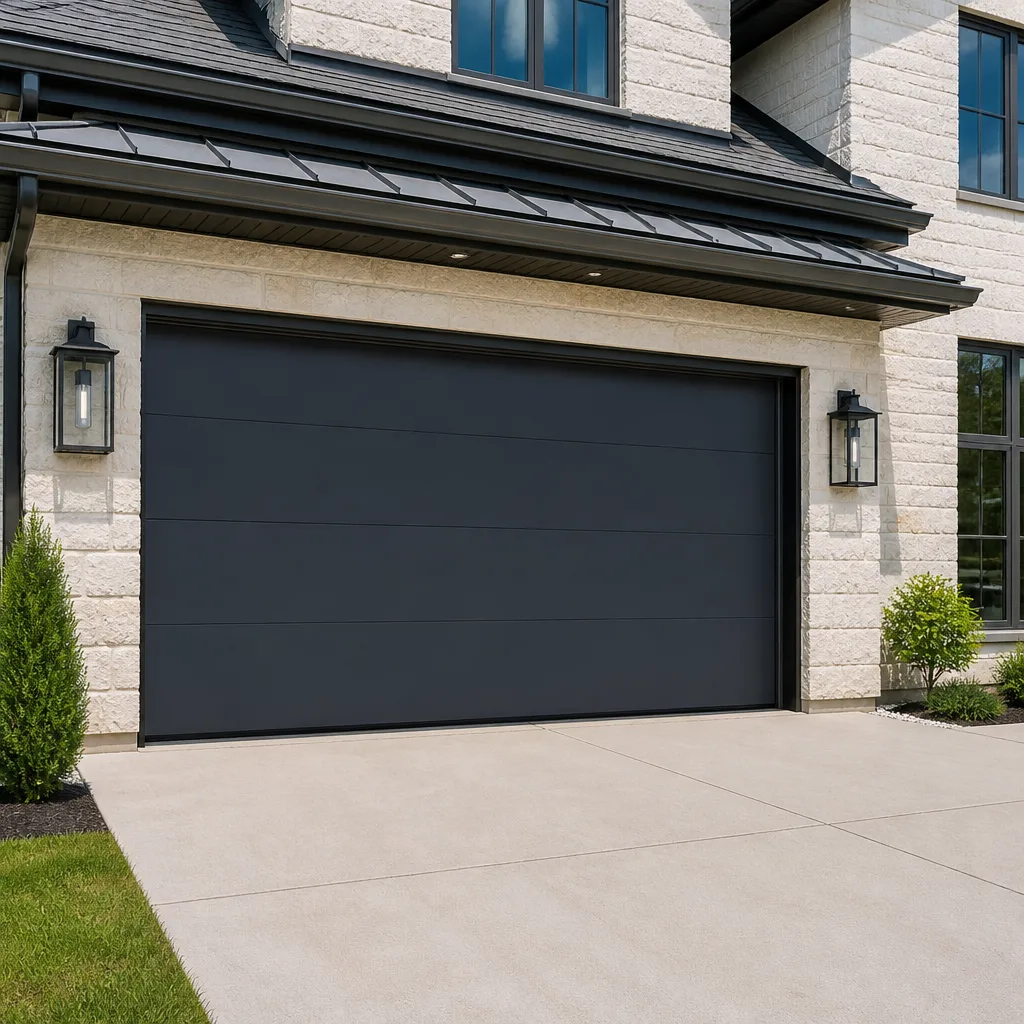 Modern flush
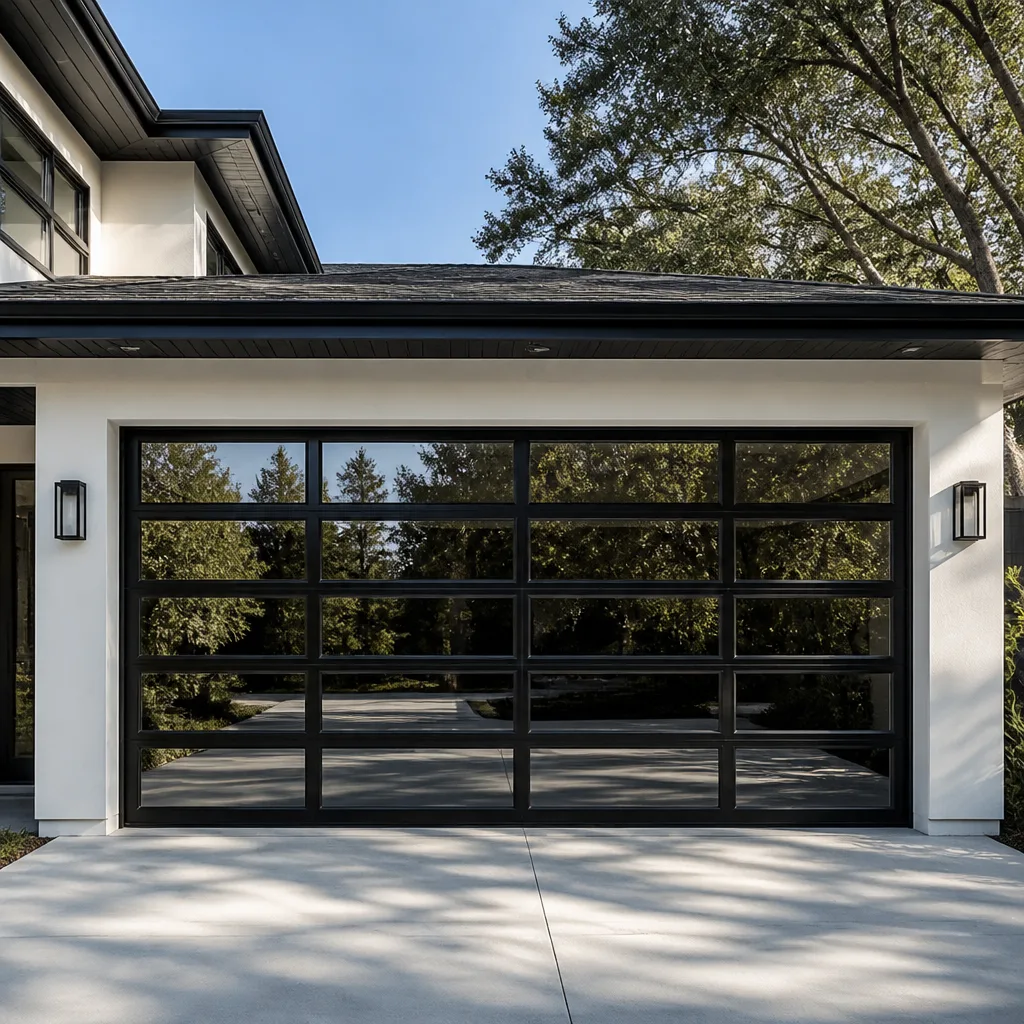 Full-view glass
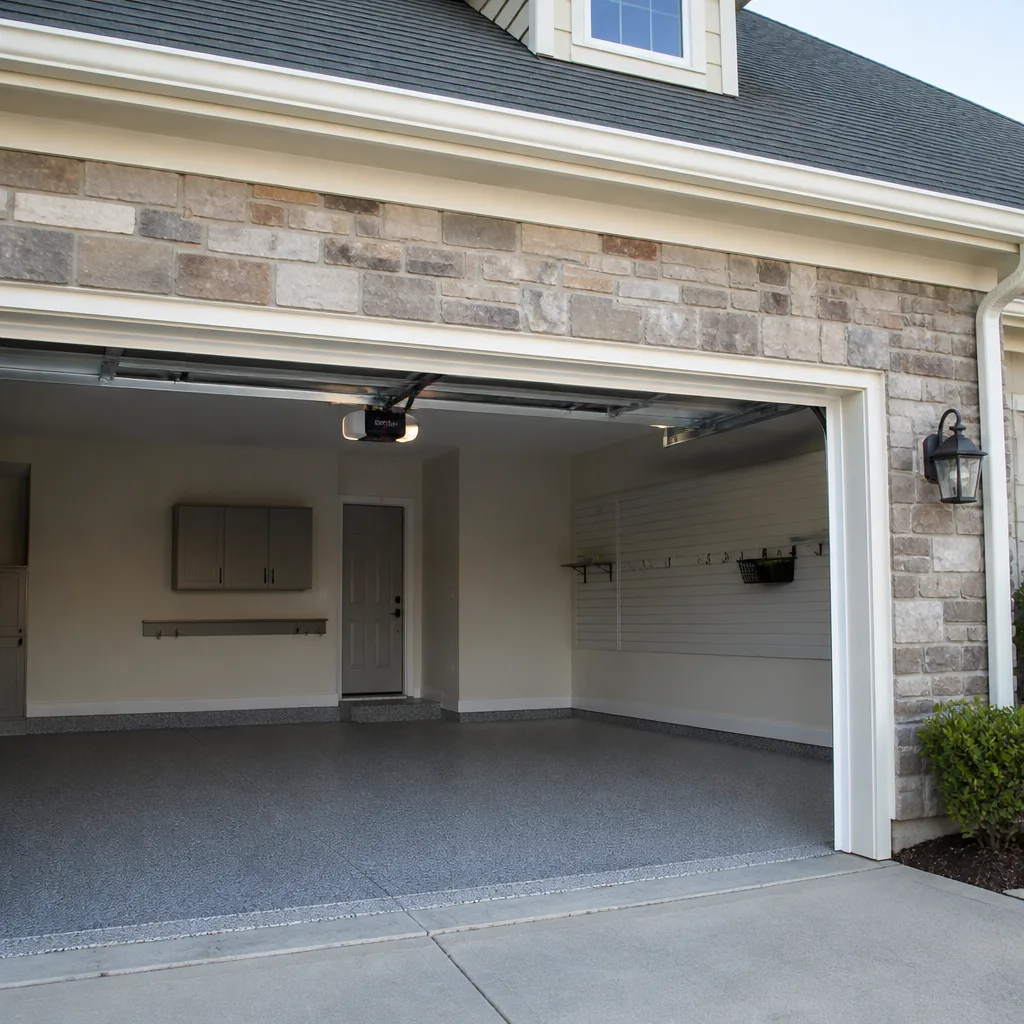 LiftMaster openers
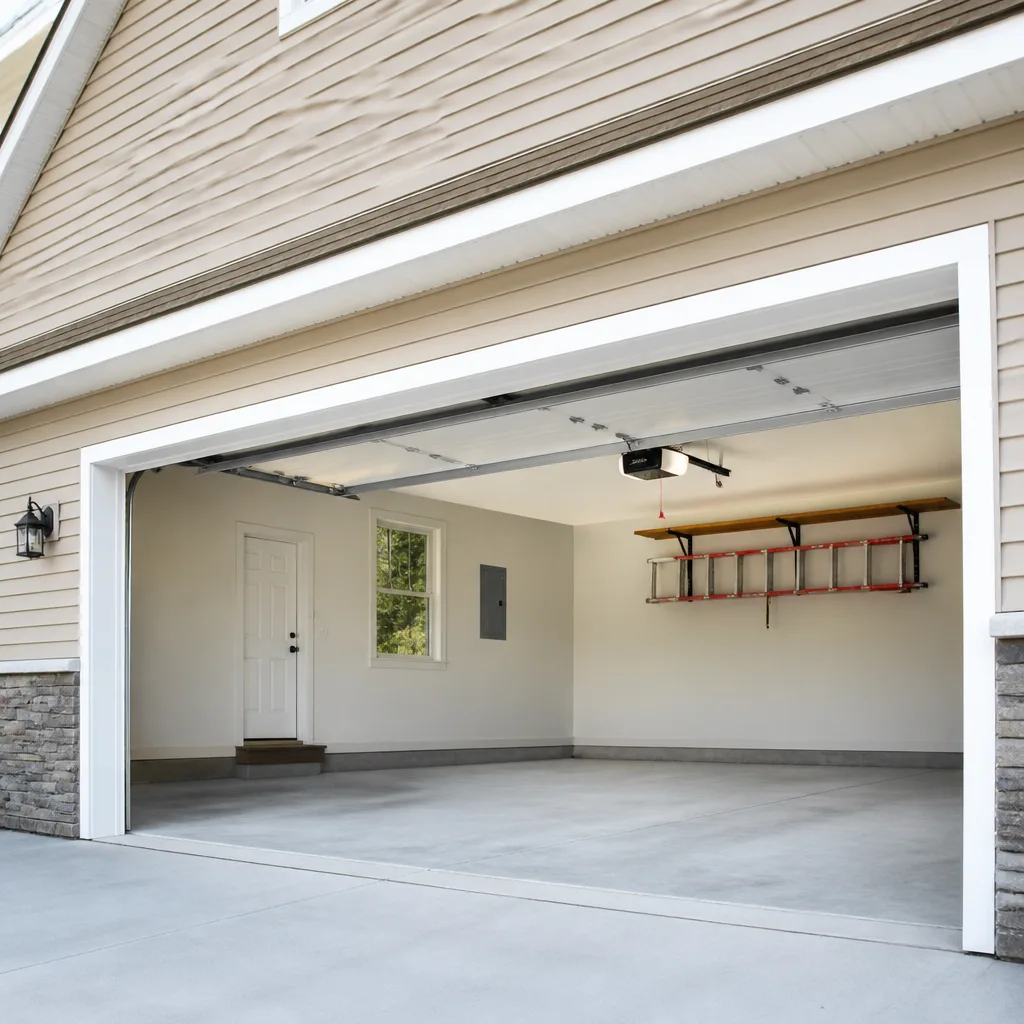 Chamberlain openers
Full 25-point door and opener safety check with every visit - springs, cables, rollers, tracks, and your LiftMaster or Chamberlain opener included
You get a price before we start. It does not change when the pro arrives.
Get your free estimateGarage Door Emergency Preparedness Guide for Vacaville Homes
Most homeowners test their smoke alarms twice a year and never once test the one thing that actually gets their car out of the garage when the power dies. That’s the gap this guide closes. A garage door that won’t open manually during an emergency isn’t a minor hassle – it’s a blocked exit, and in a region where wildfire evacuations and grid shutoffs are a real part of life, blocked exits matter. We’re going to walk through the manual release cord, backup power for openers, a diagnostic sequence for a dead door, and how to fold garage door readiness into your go-bag planning for Vacaville. By the end you’ll know exactly what to practice, what to buy, and what to check after the dust settles.
Quick Answer
Garage door emergency preparedness in Vacaville comes down to three things: knowing how to use the manual release cord on your specific door, having a backup power source for your opener, and practicing the whole routine before you need it. If the power is out and the manual release doesn’t free the door, the door itself has a mechanical problem – a broken spring, a snapped cable, or a bent track – and that needs a trained technician, not a workaround. The goal is a door you can open by hand in under thirty seconds with the lights off.
Styles & brands we work with
- Raised-panel steel
- Carriage house
- Modern flush
- Full-view glass
- LiftMaster openers
- Chamberlain openers
Table of Contents
- The Manual Release Cord: What It Is and How to Practice It
- Single Car vs. Double Car Doors: Why the Release Feels Different
- Backup Power Options for Garage Door Openers
- The Door Won’t Open After an Outage – Diagnostic Steps
- Fire Evacuation Readiness for Solano County
- Post-Emergency Inspection: What to Check
- Why Springs and Cables Are Never a DIY Fix
- Building a Garage Door Emergency Kit
The Manual Release Cord: What It Is and How to Practice It
Every automatic garage door opener has a manual release – a cord or lever that disconnects the door from the opener’s carriage so you can lift the door by hand. It’s the single most important emergency feature on your door, and most homeowners have never pulled it. The cord usually hangs from the trolley that rides along the opener’s rail, roughly six feet off the floor, with a small handle or knot at the bottom. It’s a short pull toward the door, not a hard yank – just enough to release the catch that locks the carriage to the trolley.
Here’s what a correct pull feels like. You’ll feel a firm tension at the start, then a distinctive click as the lever flips and the carriage disengages. After that the door should lift by hand with steady pressure. A single car door is light enough for most adults to raise comfortably. If the door feels impossibly heavy or won’t budge, stop – the spring is broken or the door is off its tracks, and forcing it can cause serious injury. We’ve talked with plenty of homeowners around Vacaville who pulled the cord for the first time during an outage and had no idea what the correct resistance should feel like. Practicing in daylight, with the power on, is how you build that memory.
- Where to find it: the cord hangs from the trolley on the opener rail, not from the door itself.
- How to test it: pull once, disengage the door, lift it partially by hand, lower it gently, then re-engage the carriage by running the opener.
- When to practice: once a season, in daylight, with a second adult nearby to watch the door travel.
- What to avoid: never leave the door disengaged and walk away – the opener won’t move the door until the carriage re-locks.
The other thing worth knowing: there’s a red handle on commercial-style release cords and a simpler pull-knot on most residential ones. If your door has a lock cylinder or slide bolt at the bottom, that lock must be released first, or the door won’t lift no matter what the opener does. That’s a step many people skip. If you’re not sure your manual release is working properly, our garage door repair technicians can check the carriage, the spring balance, and the lock in a single visit.
Single Car vs. Double Car Doors: Why the Release Feels Different
Single car doors and double car doors don’t feel the same when you’re lifting them by hand, and that difference matters in an emergency. A single car door is lighter, typically balanced by one or two torsion springs, and one adult can usually raise it without much strain. A double car door weighs significantly more and is balanced by a heavier spring setup – correctly adjusted, it should still lift with moderate effort, but if the balance is off or a spring has failed, the door will feel like dead weight.
That’s the practical distinction: on a single car door, a manual lift that feels unusually heavy is a warning sign. On a double car door, a lift that feels heavy might just be normal resistance, but a lift that feels like the door is fighting you or won’t hold halfway up is a real problem. The correct way to check is to lift the door about waist high and let it go gently – it should stay put, not drop, not keep rising. If it slams down or races up, the spring balance needs adjustment.
- Single car door: one adult can usually lift it; if it feels stuck, suspect the spring or a jammed track.
- Double car door: typically needs a firm sustained lift; if it won’t hold position, suspect a spring or cable issue.
- Both types: the release cord works the same way, but the lift effort tells you which mechanical system to investigate.
- Both types: never stand under a door you’ve just released, and never put your hand between the door panels and the track.
One more Vacaville-specific note. This climate is dry and warm for most of the year, which is generally easier on door balance than a wet climate, but heat still works on springs and on the door’s hinges over time. If your summer is doing the lifting and your winter isn’t, that’s a balance that’s drifted. A quick seasonal check catches it before an outage catches you. If the balance feels off, that’s worth a service call rather than a fix in place.
Backup Power Options for Garage Door Openers
Battery backup for a garage door opener is the single most useful piece of emergency hardware you can install, and it’s not as complicated as it sounds. A backup battery sits inside the opener’s head unit and keeps the opener running for a limited number of open-and-close cycles when the power fails. The runtime isn’t measured in days – it’s measured in cycles, so plan for it as a way to get the door open when you need to, not as a way to keep opening it all day. In Vacaville’s summer heat, batteries are also working against higher ambient temperatures in an uninsulated garage, so cycle counts are a better planning number than hours.
Which brands offer what matters here. LiftMaster and Chamberlain both build openers with native battery backup, and this is the cleanest option because the battery is designed into the unit and the opener switches to it automatically. Genie offers backup options across its lineup as well, though as an add-on in some configurations. Older or simpler openers – including many Craftsman units – usually don’t have factory backup, which is where an add-on battery unit or a small dedicated backup power supply comes in. Raynor openers vary by model, so check the manual before assuming.
- Native backup: LiftMaster and Chamberlain openers with built-in battery backup – automatic switchover, factory wiring, no extra install.
- Add-on backup: compatible battery kits for openers without native support, wired to the opener’s power input.
- What to check: the battery status indicator on the opener, and the manufacturer’s replacement interval for the battery.
- What not to do: don’t run an opener on a car battery or a portable jump pack. It’s not designed for it and can damage the control board.
If you want to know whether your current opener has backup capability, or you’re considering an upgrade, our garage door opener repair specialists can tell you in a single visit which brands are already on your door and what backup option fits. We work with LiftMaster, Chamberlain, Genie, Craftsman, Raynor, Clopay, Amarr, and Wayne Dalton equipment, so we’re diagnosing your door rather than selling what happens to be on the truck.
The Door Won’t Open After an Outage – Diagnostic Steps
If the power is out and the manual release didn’t free the door, run this sequence in order before calling for service. It takes two minutes and it separates the “user error” cases from the real mechanical failures. We’ve walked homeowners through this on the phone, and in our experience about half of the “the door won’t open” calls turn out to be one of the first two items.
- Confirm the opener really is disengaged. Pull the release cord firmly a second time and watch the carriage. If the lever doesn’t flip, the cord is slack or the carriage is jammed.
- Check the door lock. Any manual slide bolt, lock cylinder, or child safety lock at the bottom or side of the door must be released, or the door will not move.
- Test the door’s balance by hand. Lift the door about two feet. If it won’t move at all, the spring or cable is broken – stop here and call a professional.
- Look at the tracks. A bent or misaligned track, or a roller out of its channel, will bind the door. Look for gaps at the joints and any roller sitting outside the track.
- Check for an obstruction. Objects, debris, or a broken roller at the bottom of the door can wedge it. Never reach under the door to clear it; use a tool.
- After power returns: run the opener once to re-engage the carriage, then test the safety reverse with a small object in the door’s path. If the door doesn’t reverse, that’s a separate repair.
If you’ve worked through all six and the door still won’t cooperate, that’s a mechanical problem that needs eyes on it. Springs, cables, and torsion assemblies are under high tension and are never a safe DIY repair – we’ll cover why in a later section. If you’re in Vacaville and the door is stuck, call (855) 922-3585. We answer 24/7, and fast dispatch from 7am to 7pm gets a technician out to diagnose the door for you.
Fire Evacuation Readiness for Solano County
Fire evacuation orders in Solano County can move fast, and the window between “be ready” and “go now” is often shorter than people expect. That’s not a scare tactic – it’s a planning reality. When an evacuation order comes down, the last thing you want is to be standing in your driveway with a garage door that won’t open, a car trapped inside, and a neighborhood that’s already moving. Your garage door is part of your evacuation plan the same way your go-bag is.
Here’s how to fold it in. First, know your manual release cold – practice it at least once before fire season, in daylight, with the power on. Second, keep a flashlight and a pair of work gloves near the door, because a power outage and a smoky garage is not the time to be searching for them. Third, if your opener has battery backup, confirm the battery is healthy now, not in the middle of an order. Fourth, plan the order of operations: car out first, door closed behind you, house secured, then leave. A door left open during an evacuation is a security problem you don’t need to come home to.
- Practice the release in advance: once before fire season, again at the start of any red-flag period.
- Keep a flashlight and gloves by the door: not in the car, not in the house, right at the door.
- Test your opener’s backup battery: check the indicator light and replace the battery per the manufacturer’s interval.
- Know where your go-bag lives: if it’s in the garage, make sure the door opens easily by hand.
- Account for the whole household: teach every adult and teenager in the house the release procedure, not just one person.
If your door is older or you’re not sure it would open smoothly under pressure, a pre-season inspection is the easiest insurance you can buy. There’s no reason to discover a balance problem during an evacuation order. A free estimate on a repair or adjustment now is cheaper than a forced door later.
Post-Emergency Inspection: What to Check
After a prolonged outage, a power surge, or an evacuation where the door was forced or left in a compromised position, the door needs a look before you trust it again. Power surges are a common cause of opener control board failures – the door works one day, then doesn’t respond the next. A forced door or one left disengaged can have a bent track, a sprung roller, or a carriage that never re-locked. None of those fix themselves.
- Check the opener’s response. If the opener doesn’t respond to the remote, the wall button, or the safety sensors after power returns, suspect the control board or a sensor alignment issue.
- Test the safety reverse. Place a small object in the door’s path and close it. If it doesn’t reverse, the safety system needs service before anyone uses the door.
- Inspect the tracks and rollers. Look for bends, gaps, and rollers outside their channel. A door that jumps or grinds on the way up has a track or roller problem.
- Check the balance again. Lift the door by hand to waist height and let go. It should stay put. If it drops or rises, the spring balance needs adjustment.
- Listen for new noises. A popping, snapping, or grinding sound that wasn’t there before the outage is a mechanical warning.
- Look at the door panels. A forced door can crack a panel or bend a hinge. Cosmetic damage is often hiding a structural issue.
If any of these checks fail, don’t keep cycling the door hoping it clears up. A door that’s working “most of the time” is a door that’s about to fail completely. Our team can run through the full inspection and give you a straight answer on whether a repair or a replacement makes sense – no conflict of interest, since we do both. If you’re in Vacaville and you’re not sure your door came through the last outage cleanly, call for a free estimate.
Why Springs and Cables Are Never a DIY Fix
Torsion springs and cables are the two components on your garage door that can seriously injure you, and that’s not an exaggeration. A torsion spring stores enough energy to lift a door several hundred pounds, and when it fails – whether through age, fatigue, or a forced manual lift – it releases that energy instantly. Cable assemblies are under the same tension. Homeowners who try to replace a spring themselves are one of the most common sources of garage door injuries we hear about, and the tools required to wind a spring safely are not the tools in a typical home garage.
What you can safely do: know the warning signs. Listen for a loud pop from the garage, check whether the door feels unusually heavy or won’t stay halfway up, and look for a visible gap in the spring coil. If the door won’t lift at all after you’ve released the carriage, assume a spring or cable failure and stop. Don’t try to force it, don’t try to realign the cable by hand, and don’t run the opener hoping it will push through. Call a trained technician. That’s the whole safe response, and it’s the same one we’d give a family member.
- Warning signs of spring failure: a loud pop, a door that won’t lift by hand, a gap in the spring coil, or a door that won’t hold halfway up.
- Warning signs of cable failure: a snapped cable hanging loose, a door that’s crooked, or a door that binds on one side.
- Safe response: stop using the door, keep the area clear, and call a technician.
- Never do: wind, unwind, adjust, or cut a tensioned spring, or try to re-spool a cable by hand.
This is where specialist training pays off. Our technicians have up to 13 years of experience, and every one of them treats spring and cable work with the caution it deserves. That’s a service we’ll do for you, not a service we’ll talk you through on the phone. For more on what’s covered, see Calloway Garage Door Repair.
Building a Garage Door Emergency Kit
A garage door emergency kit is small and inexpensive, and it’s the difference between a ten-second exit and a panicked ten minutes. Everything on this list fits in a small bin or pouch you keep on a wall hook near the door’s manual release. Put it together once, check it once a season.
- A working flashlight with fresh batteries, plus a spare set – you’ll need both hands for the door.
- Work gloves to protect your hands from sharp panel edges and spring parts.
- A printed card with the manual release instructions and the phone number for your service company.
- A spare opener battery for the remote, and the model number of your opener.
- A small pry bar or door stop to hold the door up if you need to work around it – never your body.
- A note of the door’s brand and model so a technician can bring the right parts on the first visit.
If you don’t know your door’s brand or model, look at the opener’s head unit for the manufacturer’s label – LiftMaster, Chamberlain, Genie, Craftsman, and Raynor all print the model on the housing. That single piece of information saves a lot of time on a service call. If you’re not sure, a photo of the label is enough for us to identify it.
Common Mistakes to Avoid
- Never testing the manual release until an emergency. If you’ve never pulled the cord, you don’t know where it is, how hard it pulls, or whether the door lifts cleanly. Practice once in daylight.
- Assuming the opener will work during a power outage. Unless you have a battery backup, the opener is dead the moment the grid goes down. The manual release is your only option, and it needs to work.
- Forcing a door that won’t lift. A door that won’t lift by hand is telling you something is broken. Forcing it bends panels, breaks rollers, and can drop a door on someone. Stop and call.
- Skipping the door lock. A manual bolt lock left engaged is the most common reason a “broken” door won’t open after a release. Check the lock first.
- Running a door on an add-on battery pack that was never designed for it. Car batteries and jump packs can damage the opener’s control board. Use the manufacturer’s backup or a proper add-on unit.
- Ignoring a power surge after the lights come back. Surges can kill a control board silently. If the opener works one day and not the next, that’s the first suspect.
- Forgetting the door during fire-season planning. If your go-bag lives in the garage, the garage door is part of your evacuation plan. Practice the whole sequence, not just the bag.
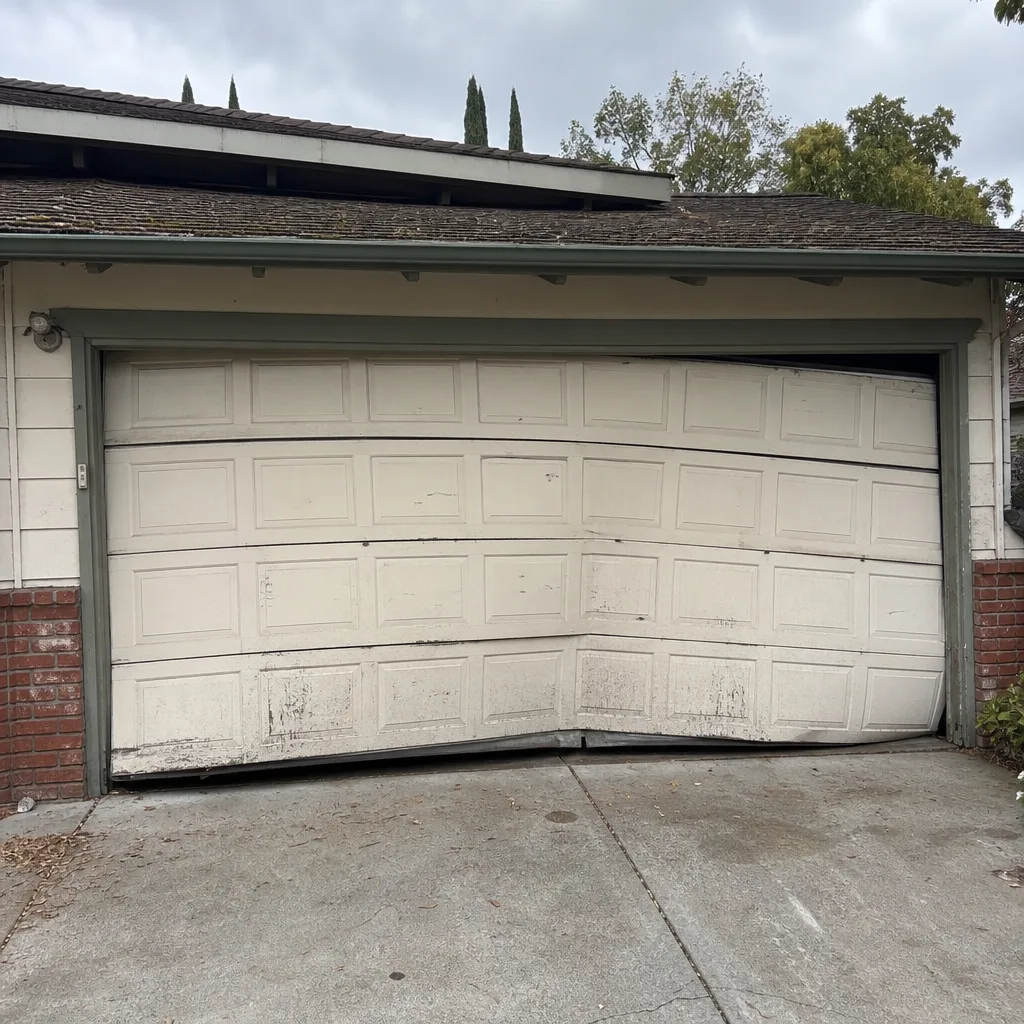
See the difference
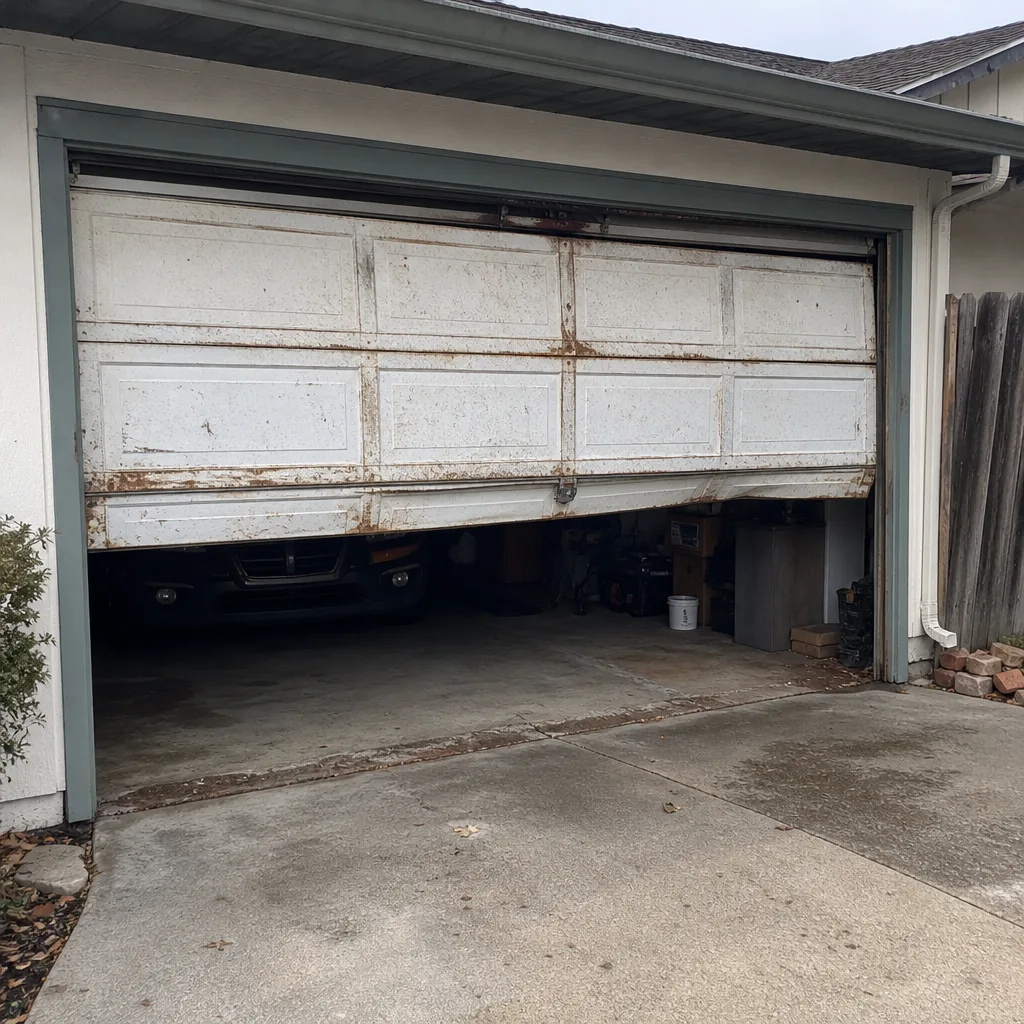 Before
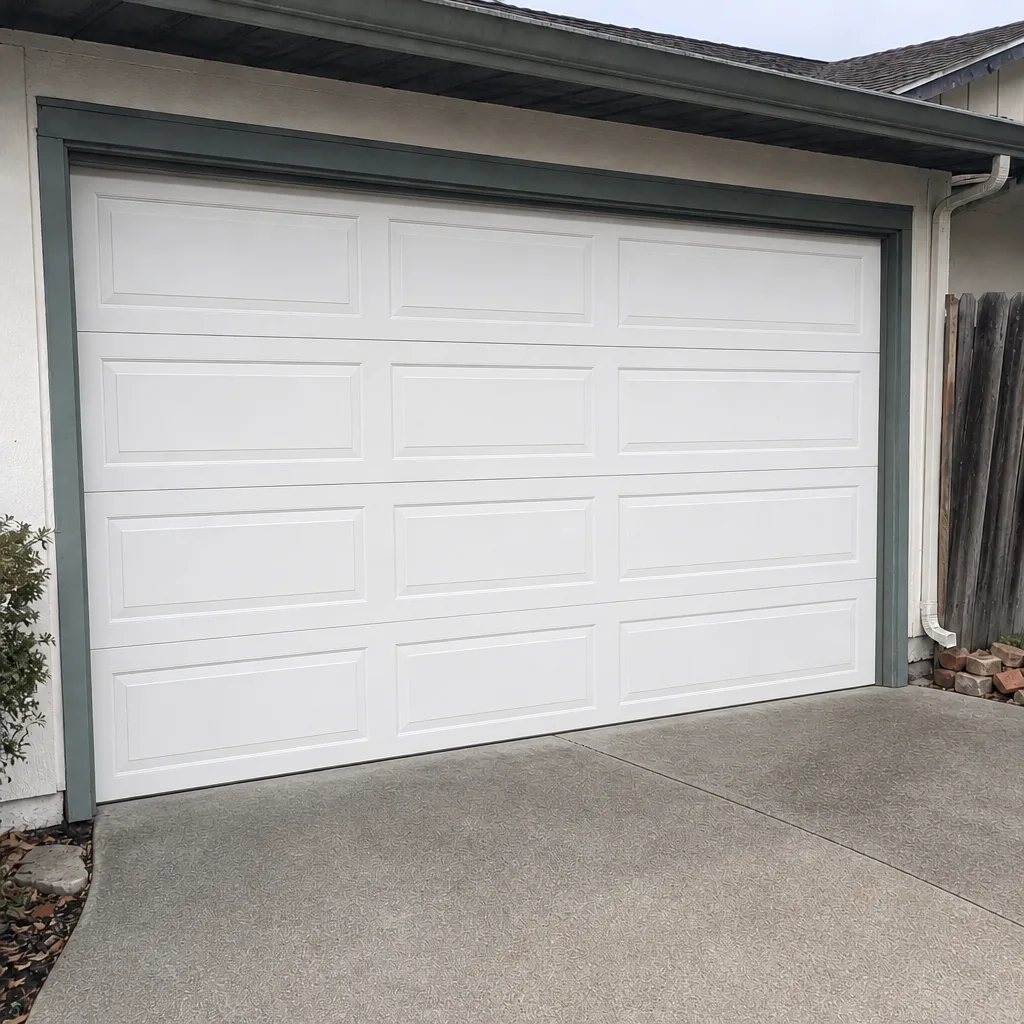 After
 Before
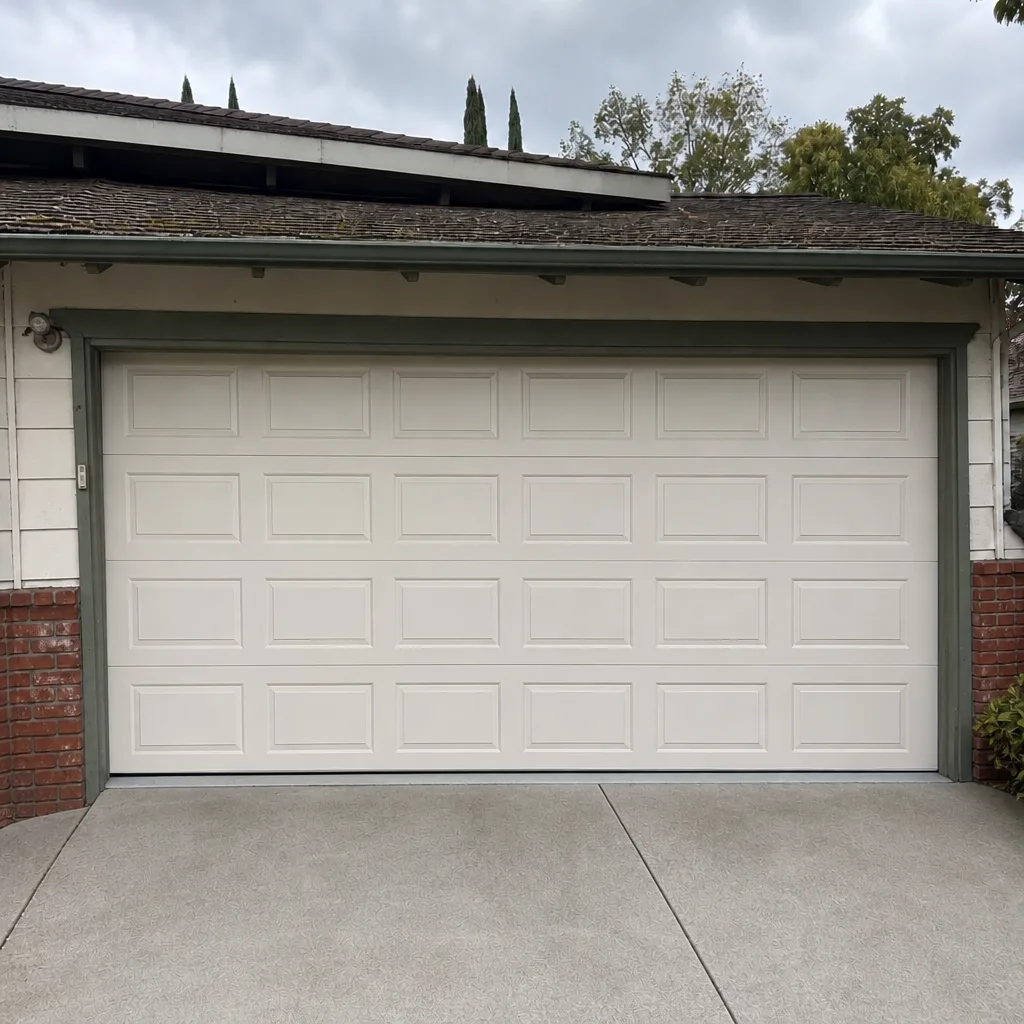 After
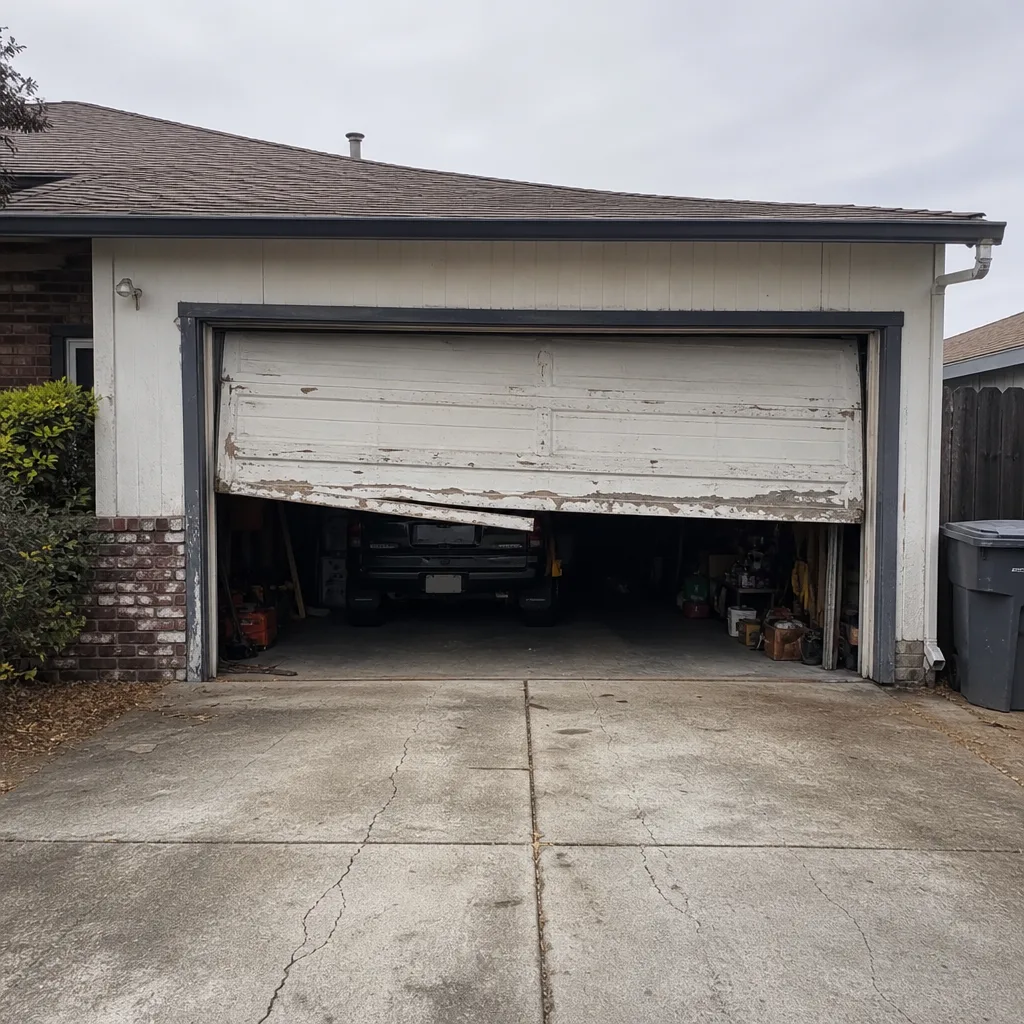 Before
 After
When to Call a Professional
Call a technician when the door won’t lift by hand after you’ve released the carriage, when you hear a pop and the door suddenly feels heavy, when the door is crooked or binding on one side, or when the opener doesn’t respond after power returns. Those are the mechanical and electrical failures that a trained specialist should handle – springs, cables, torsion assemblies, track realignment, and control board issues are not safe DIY territory. If your door jumps, grinds, or reverses unexpectedly, that’s also a call. We’re a dedicated garage door company, not a general handyman operation, so every job that comes to us is within our core work. Calloway Garage Door Repair offers free estimates in Vacaville, and you can reach us at (855) 922-3585 – call (855) 922-3585. We answer 24/7, with fast dispatch from 7am to 7pm, Sunday through Friday.
Frequently Asked Questions
Pull the manual release cord that hangs from the opener’s trolley – not from the door itself – until you feel the carriage disengage, then lift the door by hand. Make sure any manual door lock is released first. If the door won’t lift with moderate effort, stop; that’s a mechanical problem, not a power problem. Call (855) 922-3585 for an exact quote on the repair – estimates are free.
A battery backup gives you a limited number of open-and-close cycles during an outage, and in Vacaville’s fire season and grid-shutoff reality, it’s worth having. LiftMaster and Chamberlain offer it natively; Genie and others offer add-on kits. Check the battery health once a season. If you want to know what fits your opener, call us and we’ll tell you.
The most common causes are a dead opener (no backup battery), a tripped control board from the power surge, a carriage that never re-engaged, or a mechanical failure that just happened to coincide with the outage. If the manual release doesn’t free the door, the door itself is the issue. Call (855) 922-3585 for an exact quote – estimates are free.
Practice the manual release at least once before fire season, keep a flashlight and gloves at the door, confirm your backup battery is healthy, and teach every adult in the house the procedure. If your door doesn’t lift smoothly by hand, schedule an inspection before the season starts. Call (855) 922-3585 to book a free estimate.
No. A broken spring means the door’s weight is no longer balanced, and it will feel like dead weight or not move at all. Forcing it causes injury and further damage. Stop, keep the area clear, and call a technician – spring work is never a DIY repair. Call (855) 922-3585 for an exact quote – estimates are free.
Our technicians have up to 13 years of experience and work on LiftMaster, Chamberlain, Genie, Clopay, Amarr, Wayne Dalton, Craftsman, and Raynor equipment. Because they’re trained across competing brands, the recommendation is based on your door, not on what we happen to stock. Call (855) 922-3585 to discuss your door.
The Bottom Line
Emergency garage door readiness is a thirty-second skill and a small kit, and it’s the difference between an exit and a blocked one. Practice the manual release, know where your lock is, check your backup battery, and inspect the door after any outage or evacuation. Springs and cables are the two things you should never touch – that’s what a trained technician is for. If your door is older, out of balance, or you just want a pre-season inspection, we’re here for it. Call (855) 922-3585 for a free estimate. We answer 24/7, with fast dispatch from 7am to 7pm, Sunday through Friday.
Written by the team at Calloway Garage Door Repair.