
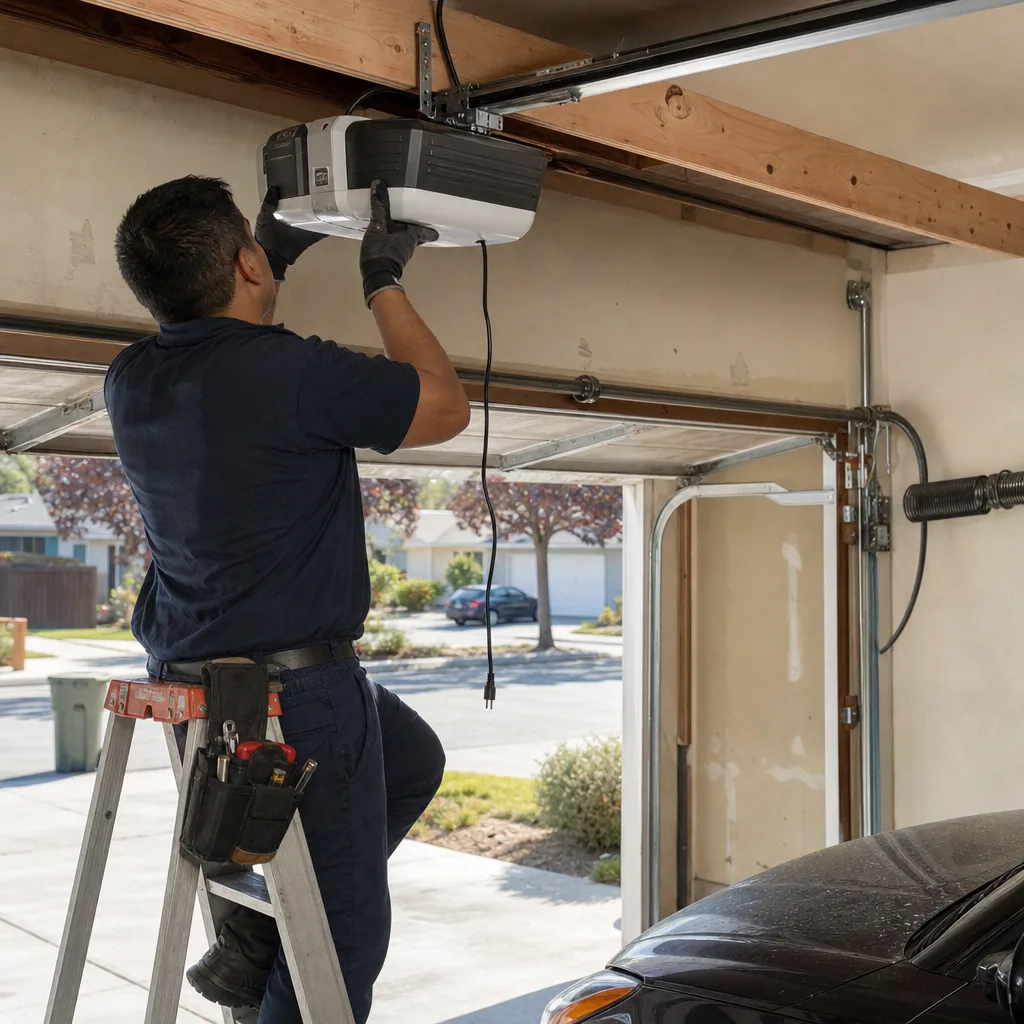
Last updated November 16, 2026
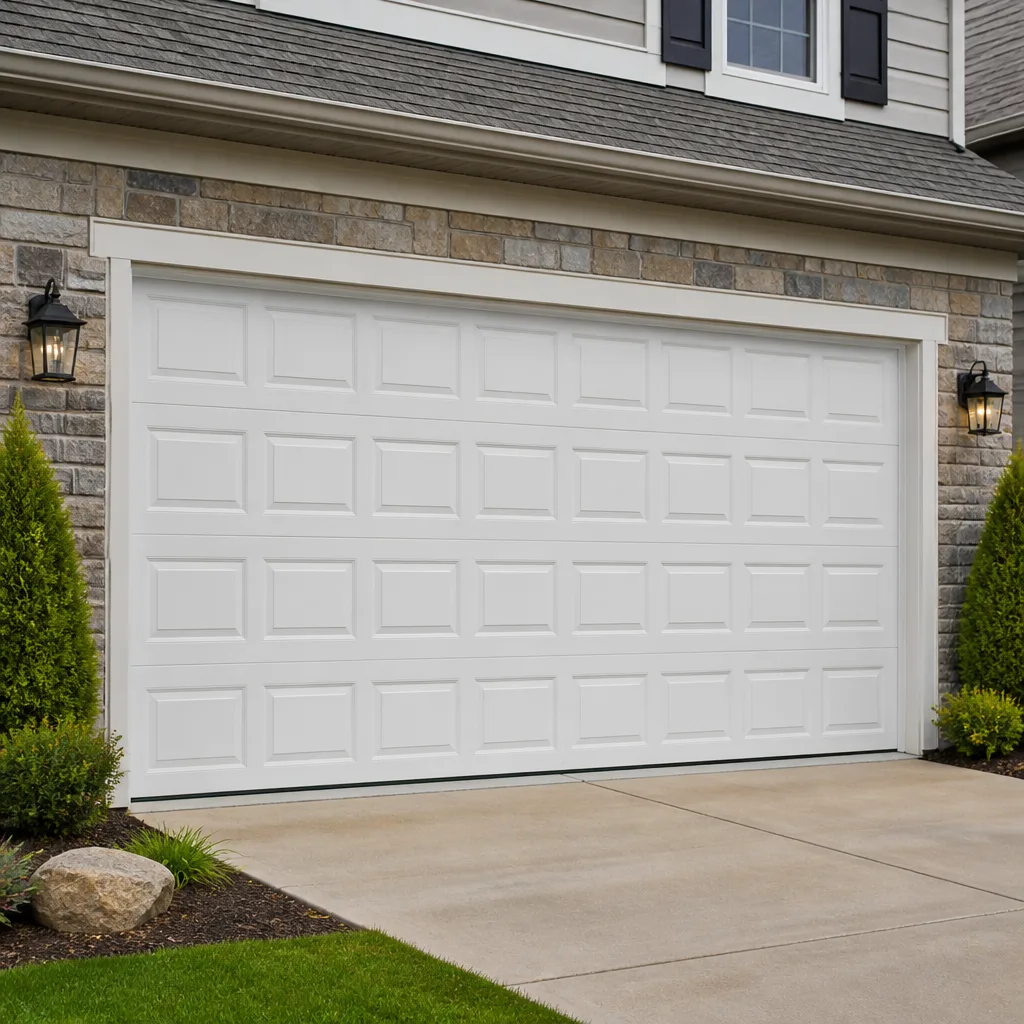 Raised-panel steel
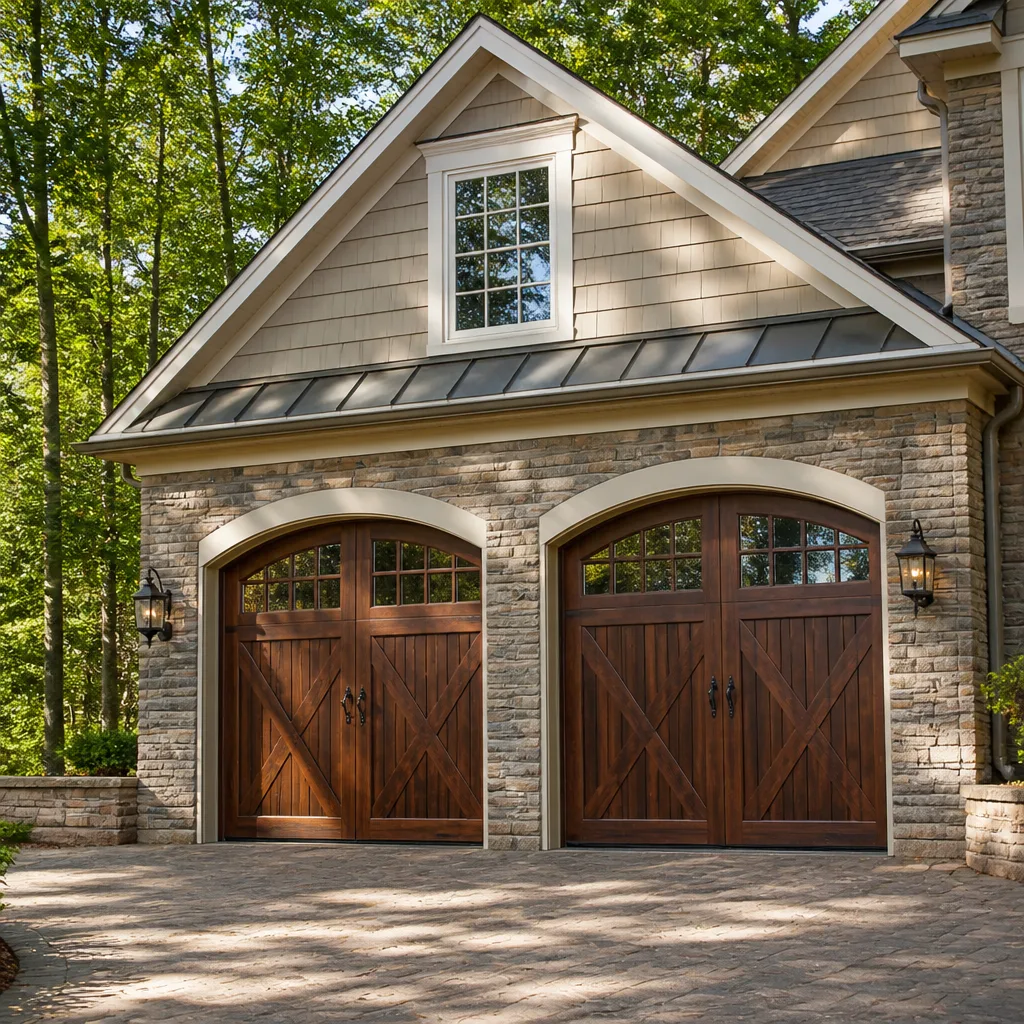 Carriage house
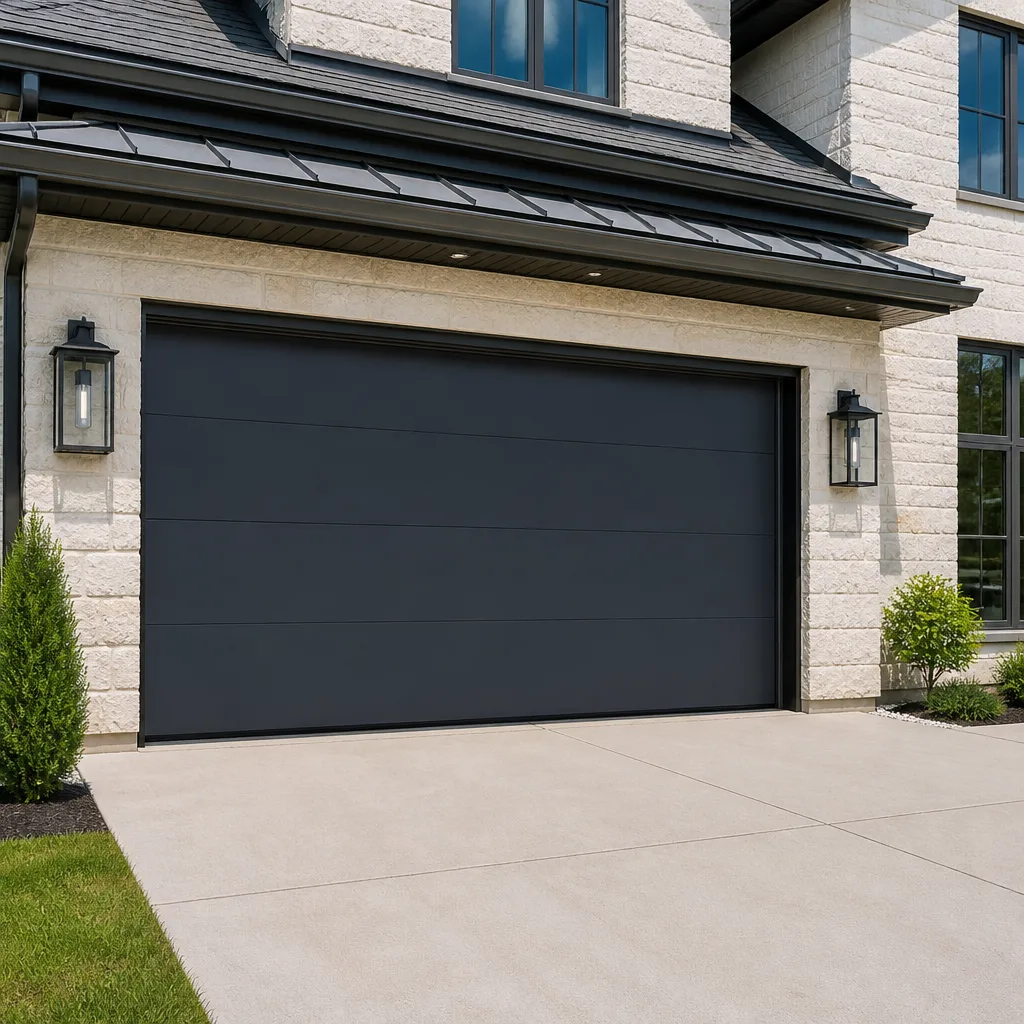 Modern flush
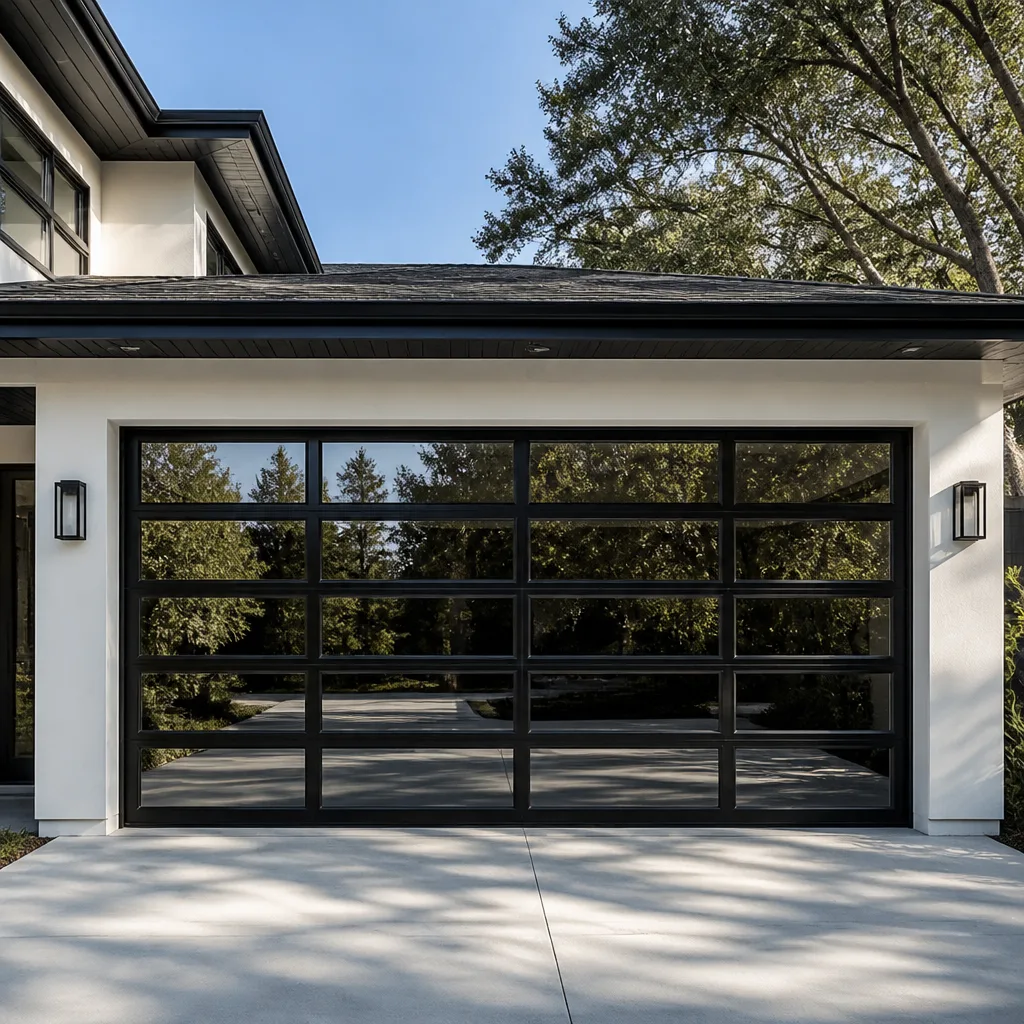 Full-view glass
 LiftMaster openers
 Chamberlain openers
Full 25-point door and opener safety check with every visit - springs, cables, rollers, tracks, and your LiftMaster or Chamberlain opener included
You get a price before we start. It does not change when the pro arrives.
Get your free estimateGarage Door Repair Maintenance Checklist for Vacaville Homeowners
A spring that lasts 15 years in San Francisco may last 9 in Vacaville. Heat cycles accelerate metal fatigue, and most homeowners here don’t find out until the door won’t open on a 105°F July afternoon. That’s the thing about garage door maintenance: the failures that matter most give almost no warning. They build quietly through summer after summer until a spring snaps or a panel warps far enough that the door won’t close flush. This guide is built around what actually goes wrong on Vacaville doors and the order it tends to go wrong in, so you can catch problems while they’re still cheap to fix.
Quick Answer
A complete garage door maintenance checklist for Vacaville covers four things: monthly visual checks of springs, cables, rollers and tracks; lubrication every four to six months with a product rated for hot weather; a seasonal inspection of seal and panel condition before summer heat peaks; and an annual balance and safety-reverse test. Most of these are safe for homeowners to do. Spring adjustment and cable inspection are not, and should go to a specialist.
Styles & brands we work with
- Raised-panel steel
- Carriage house
- Modern flush
- Full-view glass
- LiftMaster openers
- Chamberlain openers
Table of Contents
- Why Vacaville Garage Doors Age Faster Than You’d Expect
- Your Monthly Vacaville Garage Door Checklist
- The Lubrication Schedule That Fits Vacaville’s Climate
- How to Test Spring Tension Safely and What It Tells You
- Panel and Hinge Inspection Before Summer Heat Sets In
- Opener Health Checks: What to Look For on a Hot Afternoon
- Which Tasks Are DIY-Safe and Which Need a Specialist
- Seasonal Timing: A Vacaville Maintenance Calendar
Why Vacaville Garage Doors Age Faster Than You’d Expect
Vacaville sits in a thermal sweet spot that most maintenance guides weren’t written for. Summer heat commonly pushes past 100°F, and the door is a large metal surface facing south or west on many homes. During the day it expands. Overnight, when the delta breeze rolls in, it contracts. That cycling happens hundreds of times a season, and it’s the underlying cause of most of what we see fail on Vacaville doors.
What does heat cycling actually do?
- Spring fatigue: Torsion springs are steel under constant tension. Every expansion and contraction cycle converts to metal fatigue. A spring rated for a certain cycle count will reach that count faster in a hot climate than in a mild one.
- Lubricant breakdown: Standard garage door grease loses viscosity faster in sustained heat. By August, rollers that were properly lubricated in spring may be running nearly dry.
- Seal degradation: UV exposure on the bottom seal and side weatherstrip cracks the rubber. Once it cracks, air and dust get in, and the seal stops doing its job.
- Panel stress: Steel panels expand and contract. Hinges mounted on those panels take the differential. Over enough cycles, hinge screws loosen and panel edges bow.
You can’t stop any of this. But you can inspect for it on a schedule that matches the local climate instead of a schedule written for a mild coastal city. That’s what the rest of this checklist does.
Your Monthly Vacaville Garage Door Checklist
This is the monthly routine. It takes about ten minutes and catches almost everything that would otherwise become a repair call. Run it on the first of the month, or pick any date you’ll remember.
- Look at both springs. Torsion springs sit on the bar above the door; extension springs run along the tracks on each side. Look for gaps in the coil, a stretched section, or rust pitting. Any of those means the spring is on the way out.
- Inspect the cables. The lift cables should be taut with no fraying, kinks or broken strands. Run your eyes along the full length, not just the visible top section.
- Check every roller. Rollers should spin freely and look round. Flat spots, rattle or visible wobble mean replacement.
- Wipe the tracks with a rag. Not lubricant. Debris buildup on the vertical and horizontal tracks is common in Vacaville because of seasonal dust. Wipe, don’t grease.
- Check the bottom seal. Look for cracks, missing chunks or a seal that no longer contacts the floor when the door is closed.
- Listen. Open and close the door and pay attention. Grinding, squealing or a rhythmic thump is new information every time.
- Test the safety reverse. Put a roll of paper towels under the door and close it. The door should reverse on contact.
If anything on that list looks wrong, don’t wait for it to fix itself. Heat makes small problems bigger, and by late June a seasonal issue has usually become a summer repair. Our garage door repair team sees the same pattern every year: doors that were “making a little noise” in April and stopped moving entirely in July.
The Lubrication Schedule That Fits Vacaville’s Climate
Most guides say lubricate your garage door once or twice a year. In Vacaville, that’s not enough in summer. Our recommendation is a spring and fall full lubrication, plus a mid-summer touch-up on the high-friction points. Heat causes lubricant to migrate off the surfaces that need it, and the parts that suffer first are the ones most homeowners never think about.
What to use
A lithium-based garage door lubricant or a silicone spray designed for overhead doors. Avoid general-purpose WD-40 for this job: it’s a solvent, not a lasting lubricant, and it displaces the grease you want to keep. Avoid heavy axle grease in summer because it collects dust and turns into a grinding paste.
What to lubricate, in order
- Rollers (the bearings inside each roller, not the track)
- Hinges at every pivot point
- Torsion bar end bearings – the two brackets at each end of the torsion bar. This is the step almost everyone skips. A dry end bearing chirps on every cycle and wears the bar over time.
- The opener rail or chain, if the opener uses a chain drive. Use the lubricant the opener manufacturer specifies. Craftsman and LiftMaster chain drives each want slightly different products.
- Spring coils lightly, not to prevent breakage (it won’t) but to reduce corrosion and noise.
What never to lubricate
- The tracks themselves. Grease on the track invites dust, which is abundant in Vacaville in late summer.
- The bottom seal. Silicone protectant on rubber is fine; grease is not.
- Any part of the safety photo-eye or its lens.
How to Test Spring Tension Safely and What It Tells You
You can get real information about spring health without tools and without touching the spring. The test is called a balance test, and it tells you whether the springs are still lifting their share of the door’s weight.
The balance test
- Close the door fully.
- Pull the emergency release cord to disconnect the door from the opener. The opener arm should be the only thing you’re disconnecting.
- Lift the door to about waist height by hand and let go.
- A healthy door stays put, or drifts only a few inches. A door that sinks quickly, or won’t stay up at all, has a spring that’s lost tension.
- Reconnect the door to the opener when you’re done.
What the results mean
- Door stays in place: Springs are balanced and carrying their share of the load. Keep maintaining them.
- Door sinks slowly: Springs are still doing some work but have lost part of their tension. Expect replacement within the next year or two.
- Door drops hard: Springs are near failure. Don’t keep running the door on the opener; call for a professional check.
- Door lifts easily but the opener strains: The springs may be fine but the opener is fading, or the door is binding in the tracks.
What we never recommend is adjusting spring tension yourself. Torsion springs carry enough stored energy to cause serious injury if a winding bar slips or a spring lets go mid-adjustment. The balance test is safe because you’re not touching the spring. Adjustment is not, and neither is cable work. Calloway Garage Door Repair technicians have up to 13 years of experience and handle spring replacement and cable work as routine jobs. Call (855) 922-3585 if the balance test tells you a spring is failing; we answer 24/7, with fast dispatch from 7am to 7pm.
Panel and Hinge Inspection Before Summer Heat Sets In
Steel panels exposed to repeated 100°F days will move. That’s normal. The question is whether they’re moving in a way that damages the surrounding hardware, and that’s usually visible before the door actually fails.
Do this inspection in May, before the first real heat wave. Stand inside the garage with the door closed and look at it straight on. Then walk to each side and look along the panels edge-on. What you’re checking for:
- Bowing in individual panels. A slight curve may be normal for a raised-panel design. A flat-panel door that bows in the middle is under stress from a failing spring or a hinge issue.
- Gaps at the section joints. When the door is closed, the panel seams should be tight. A gap opening up in one corner suggests the hinge is coming loose or the panel has shifted.
- Loose hinge screws. Walk your thumb along each hinge; if a screw has backed out, you’ll feel it protrude. Tighten it, but if a screw keeps backing out of the same hole, the metal has worn and the hole will need to be filled or the hinge relocated.
- Paint bubbling or lifting at panel edges. This usually means moisture has crept under the finish and started corrosion at the edge of the steel.
- Weatherstrip gaps along the top panel. Sun exposure on the top edge of the door accelerates seal wear faster than any other location.
South-facing doors take most of this abuse. If your garage faces south or west, the panel inspection deserves a second look each year, and you may want to consider a reflective finish or a light exterior color if you’re planning a replacement. Doors from Clopay, Amarr and Raynor all come in panel configurations and finishes that hold up better in this climate, and our Calloway Garage Door Repair team can walk through options if your current door is showing repeated panel issues.
Opener Health Checks: What to Look For on a Hot Afternoon
Openers fail on hot days for a reason: the motor, capacitor and circuit board are all more stressed at higher ambient temperatures. If your opener struggles on the first hot day of June but runs fine in October, that’s not imagination, that’s a real pattern. A few checks catch most of it before the door stops opening.
Monthly opener checks
- Listen at the opener itself, not the door. A grinding motor, a rattle from the gear case or a hum without movement are all signals the opener is on the way out.
- Test the safety reverse. Same paper-towel test as the monthly checklist. If it doesn’t reverse on contact, stop using the door until it’s serviced.
- Test the photo-eye. Wave your foot through the beam while the door is closing. The door should reverse immediately. If it doesn’t, clean the lens with a dry cloth and test again.
- Check the wall control. The button should work reliably. If you sometimes have to press twice, the control or the wiring is failing.
- Watch the opener light. If the light flickers or stays on after the door closes, the opener’s logic board is often the reason.
What to expect from your brand
LiftMaster and Chamberlain units share core components and respond to the same service approach. Genie openers use a different gear and rail geometry, and older units benefit from gear and sprocket wear checks. Craftsman openers built for the consumer market often need the wall control and safety sensors replaced before the motor itself fails. Knowing which is likely on your garage door opener repair call saves you from a needless full-opener replacement.
Which Tasks Are DIY-Safe and Which Need a Specialist
The line between “do this yourself” and “call someone” is simpler than most guides make it: anything touching stored spring energy, cables under tension, or the electrical side of the opener belongs to a professional. Everything else is safe for a homeowner with a basic set of tools.
DIY-safe tasks
- Wiping the tracks clean with a rag
- Lubricating rollers, hinges, end bearings and the opener rail
- Running the visual spring, cable and panel inspections from a safe distance
- Testing the safety reverse and photo-eye
- Running the balance test by hand
- Replacing the bottom weather seal (a screwdriver-and-step-stool job)
- Tightening loose hinge screws
- Replacing opener remote batteries
Call a specialist for these
- Spring adjustment or replacement. Torsion springs are under extreme tension. Even experienced technicians handle this with winding bars and specific precautions. A spring failure during adjustment is a serious safety incident, not a nuisance.
- Cable inspection or replacement. Cables are part of the same tension system as the springs. Neither should be touched by a homeowner.
- Torsion bar bearing replacement. Requires disconnecting the springs.
- Any electrical work on the opener or wall switch. Also any check that involves opening the opener housing.
- Track realignment. If a track has bent out of true, forcing it back can damage the panels.
- Panel replacement or hinge relocation. Where the section connections matter to the door’s structural integrity.
If you’re not sure which side your issue belongs on, call and describe it. We’d rather talk you through a five-minute fix than sell you a service call you don’t need. Call (855) 922-3585. We answer 24/7, and dispatch is available from 7am to 7pm, Sunday through Friday.
Seasonal Timing: A Vacaville Maintenance Calendar
What works best in this climate is to structure maintenance around the heat and the delta breeze rather than the calendar year convention. Here’s the schedule we recommend for Vacaville homes.
Spring (March through May)
- Full lubrication of all moving parts
- Panel and hinge inspection, before summer heat
- Balance test on both springs
- Bottom seal check and replacement if cracked
- Photo-eye and safety-reverse test
Summer (June through August)
- Mid-season touch-up on rollers, hinges and torsion end bearings
- Listen to the opener more carefully; heat is when motors and capacitors show weakness
- Check the seal for UV cracking, especially on south-facing doors
- Watch for any new noise or slowdown from the door
Fall (September through November)
- Full lubrication before the season changes
- Balance test again; if the door has lost tension over the summer, this is when it shows
- Clean the opener’s photo-eye lens after dusty summer months
- Tighten any hinge screws that have loosened during the summer
Winter (December through February)
- Light lubrication to keep components from drying out with less frequent use
- Visual inspection of the seal and rollers
- Opener function check; the cooler months are the best window for repairs if you’ve been putting off a non-urgent fix
Common Mistakes to Avoid
- Greasing the tracks. This is the single most common mistake. Grease collects dust, which turns it into an abrasive paste that wears rollers faster than dry tracks ever would.
- Skipping the torsion end bearings. Rollers and hinges get all the attention. The end bearings are what really squeal after a hot summer, and they’re the ones that wear out the bar if ignored.
- Using WD-40 as a lubricant. It’s a solvent-based spray that displaces the grease you want. Use a lithium-based or silicone garage door lubricant instead.
- Ignoring a slow door. A door that “just started being a little slower” in July is usually showing you a spring that’s lost tension. By August it will stop entirely.
- Adjusting spring tension by watching a video. The tension on a torsion spring is enough to cause serious injury in a fraction of a second. Leave this one to a specialist.
- Painting over a warping panel. New paint hides the problem until the panel cracks. Fix the stress issue first.
- Disconnecting the opener permanently. After using the balance test, always reconnect. A door running disconnected on the springs alone arcs and slams without the opener’s cushioning.
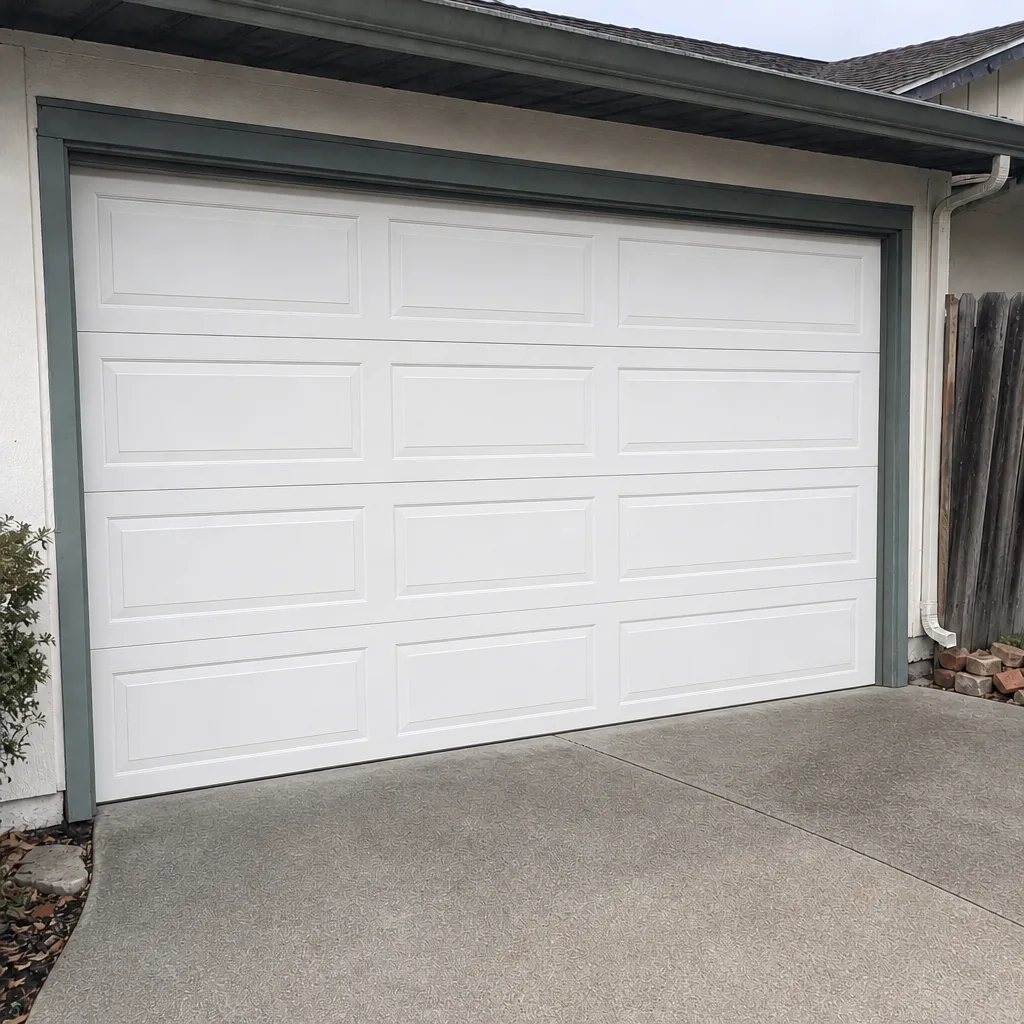
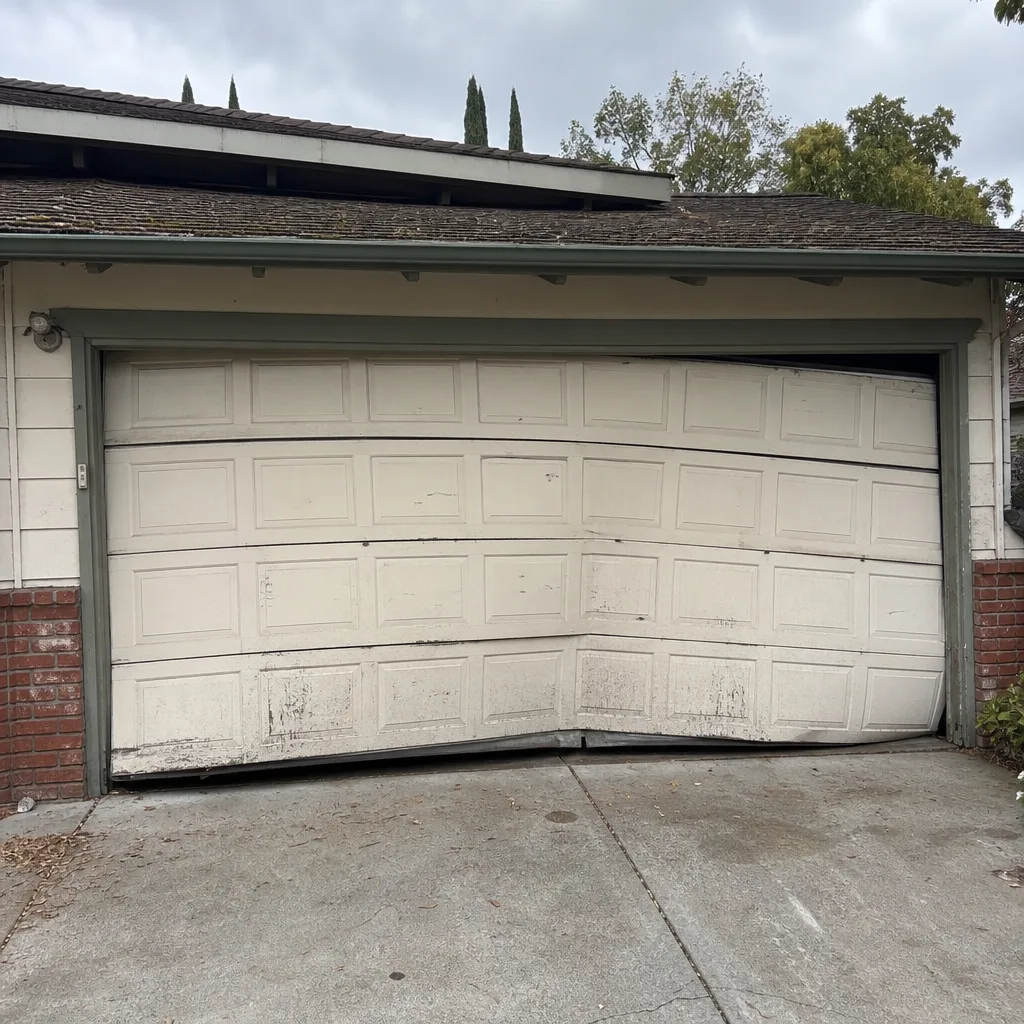
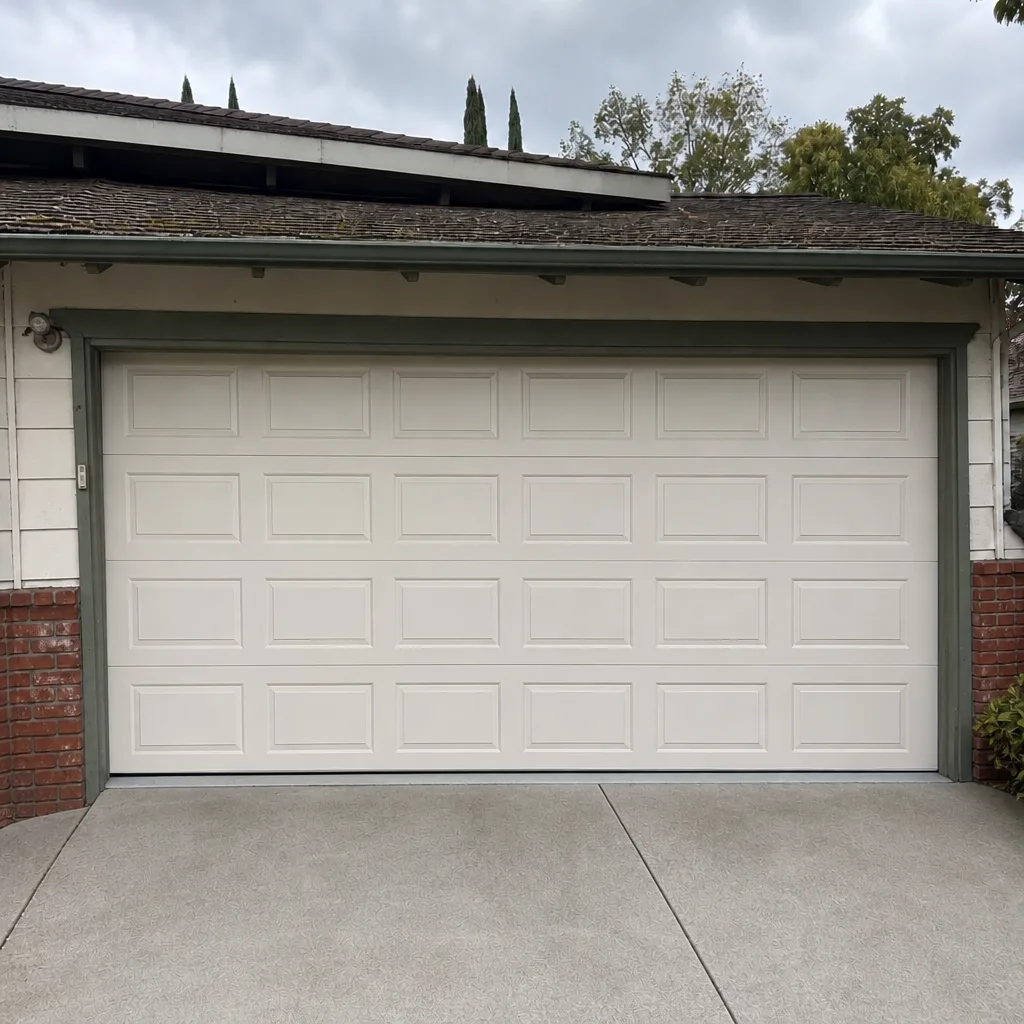
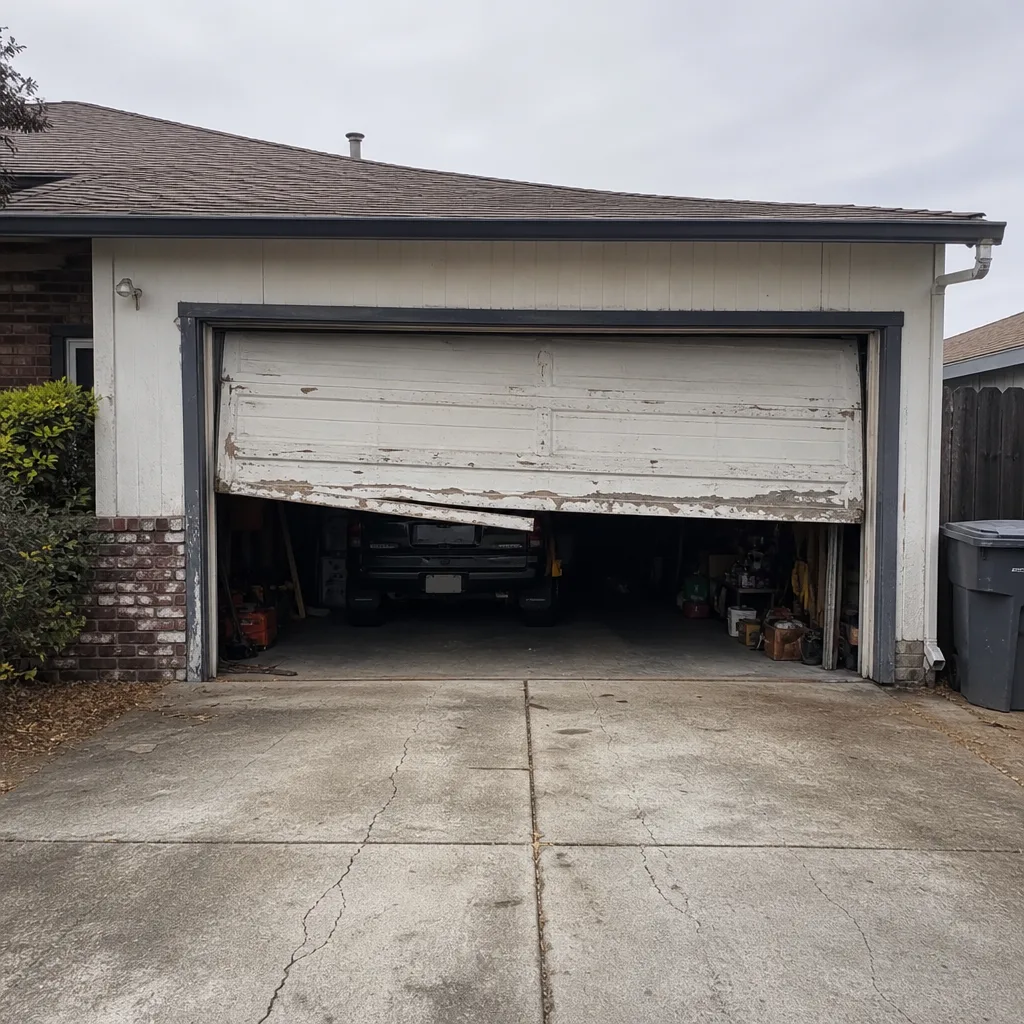
See the difference
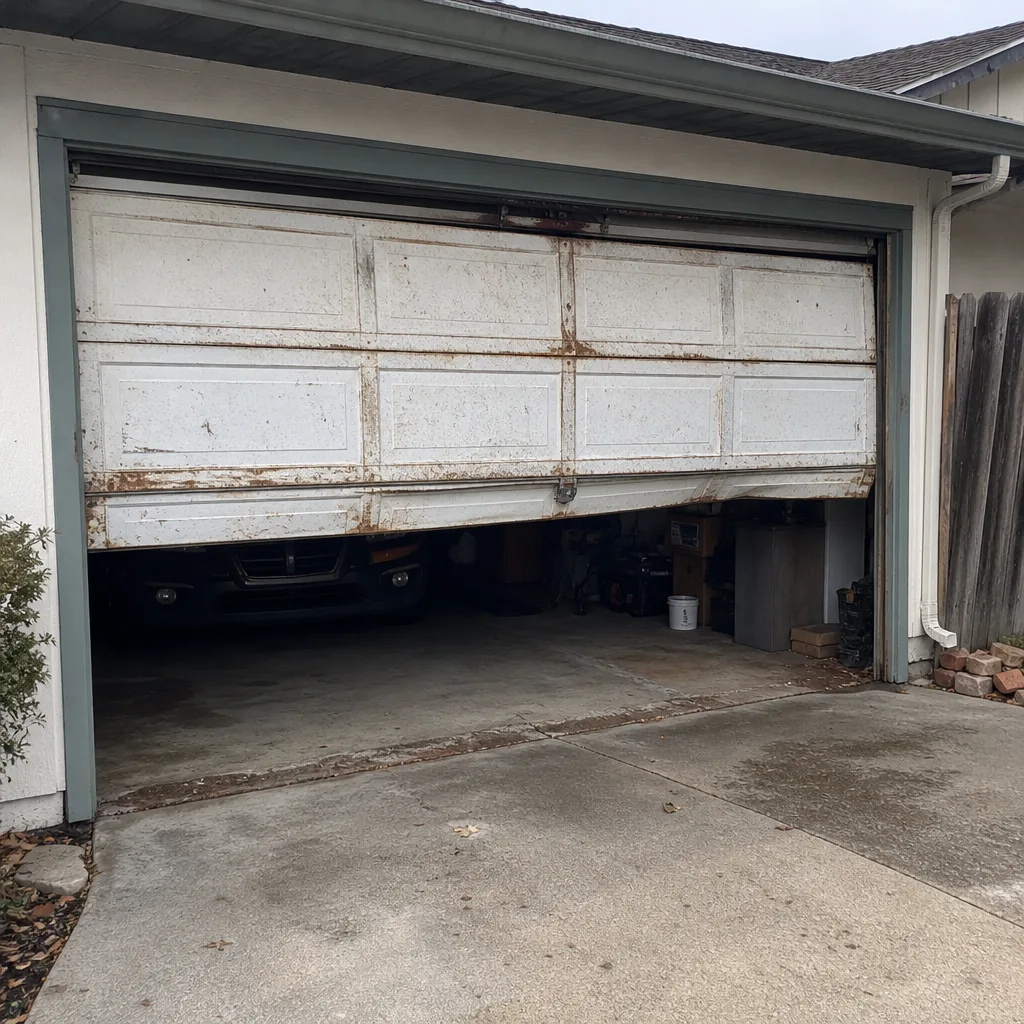 Before
 After
 Before
 After
 Before
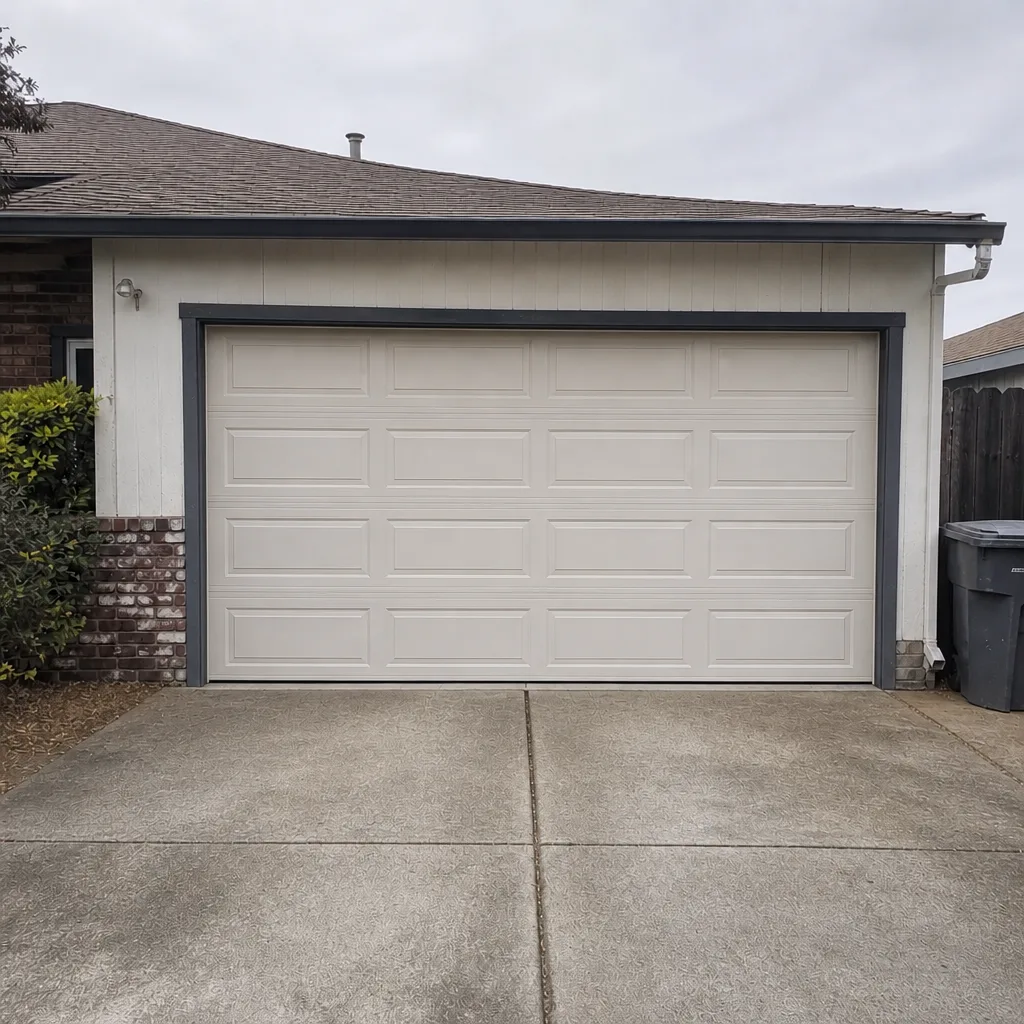 After
When to Call a Professional
Call a specialist if your balance test shows a door that sinks or drops by hand, if you see gaps in a spring coil, if any cable looks frayed, if the door is bowing in a panel, if the opener hums without moving the door, or if the safety reverse stops working. These are not weekend DIY problems, and none of them improve on their own.
You should also call if you’re not sure. A five-minute phone description usually tells us whether it’s a service call or a fix you can make in front of the door with a screwdriver and a can of lubricant. Calloway Garage Door Repair offers free estimates in Vacaville; call (855) 922-3585. We work on every major brand and we’ll tell you which repair makes sense versus which replacement does.
Frequently Asked Questions
Twice a year at minimum, with a mid-summer touch-up on the high-friction parts. The heat in Vacaville accelerates lubricant breakdown, so a spring and fall schedule plus one summer check on rollers, hinges and torsion end bearings keeps everything running smooth. Use a lithium-based garage door lubricant, not general-purpose WD-40.
Run the balance test: disconnect the opener at waist height and let go of the door. If it stays put, the spring is healthy. If it sinks slowly or drops hard, the spring is losing tension and will fail soon. A visible gap in the coil or heavy rust pitting is another warning sign. Call (855) 922-3585 for a free estimate before it fails completely.
No. Torsion springs store enough energy to cause serious injury if a winding bar slips or a spring releases mid-adjustment, and cable work carries the same risk. Balance testing by hand is safe because you’re not touching the spring itself. Adjustment requires a trained specialist with the right tools.
Heat causes two things at once. The metal panels expand, which increases friction in the tracks and at hinges, and the lubricant on rollers and bearings loses viscosity, so parts that were smooth in spring run drier in July. The opener motor also works harder at high ambient temperatures. If your door only binds on hot afternoons, that’s the pattern to watch.
Regular lubrication of rollers, hinges and torsion end bearings. Everything else is inspection; lubrication is the one task that directly extends the life of the moving parts. But no amount of lubrication will save a spring that’s reached the end of its cycle life. That’s why the balance test matters just as much, and it’s free to run.
Single-panel damage, a failing spring or an aging opener are all repair jobs. A door with multiple warped panels, significant rust at hinges and section edges, or repeated hardware failures is usually a replacement candidate. A specialist can tell you which is the smarter investment once they’ve seen the door. One call covers both options.
Yes for LiftMaster, Chamberlain, Genie, Craftsman, Clopay, Amarr, Wayne Dalton and Raynor equipment. Our technicians diagnose by brand-specific knowledge rather than guessing, which shortens the path from symptom to fix. If you’re not sure which brand you have, a photo of the opener housing usually identifies it.
First, disconnect the opener and try lifting the door by hand. If it won’t lift at all, a spring has likely failed, and the door needs a professional spring replacement before anything else happens. If it lifts by hand but the opener won’t move it, the issue is opener-side. Either way, call (855) 922-3585. We answer 24/7. Fast dispatch from 7am to 7pm, Sunday through Friday.
The Bottom Line
Garage door maintenance in Vacaville is less about following a schedule written for someone else and more about running the right checks at the right time of year. Monthly inspections catch spring tension loss before it becomes a failure. Spring and fall lubrication keeps rollers, hinges and torsion end bearings moving through the heat. A pre-summer panel check catches warping while it’s still cheap to fix. And knowing where the DIY line is – no spring adjustment, no cable work, no opener electrical – protects you and your door. Run the balance test this month. If the results tell you the springs are fading, call and get a free estimate before the summer does the work for you.
Call (855) 922-3585 for a free estimate. We answer 24/7. Fast dispatch from 7am to 7pm, Sunday through Friday.
Written by the team at Calloway Garage Door Repair.