
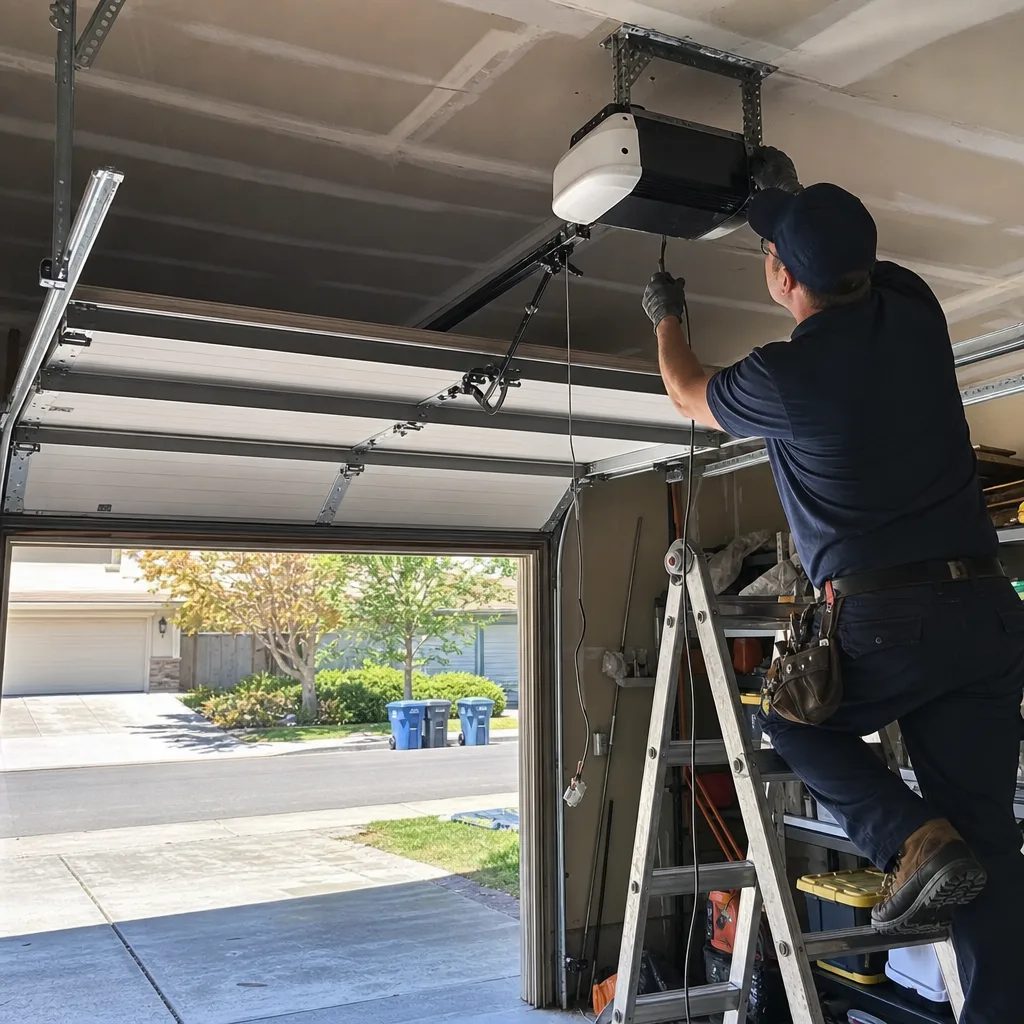
Last updated November 16, 2026
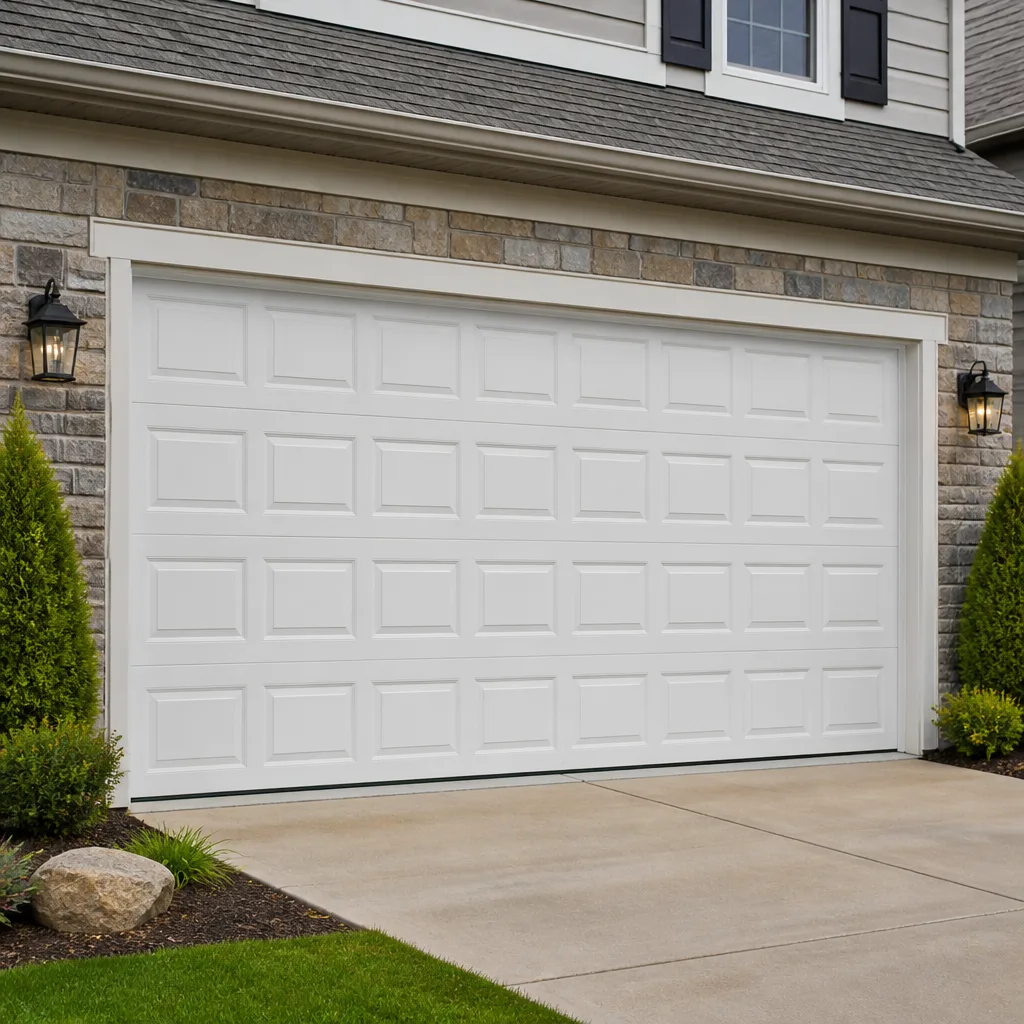 Raised-panel steel
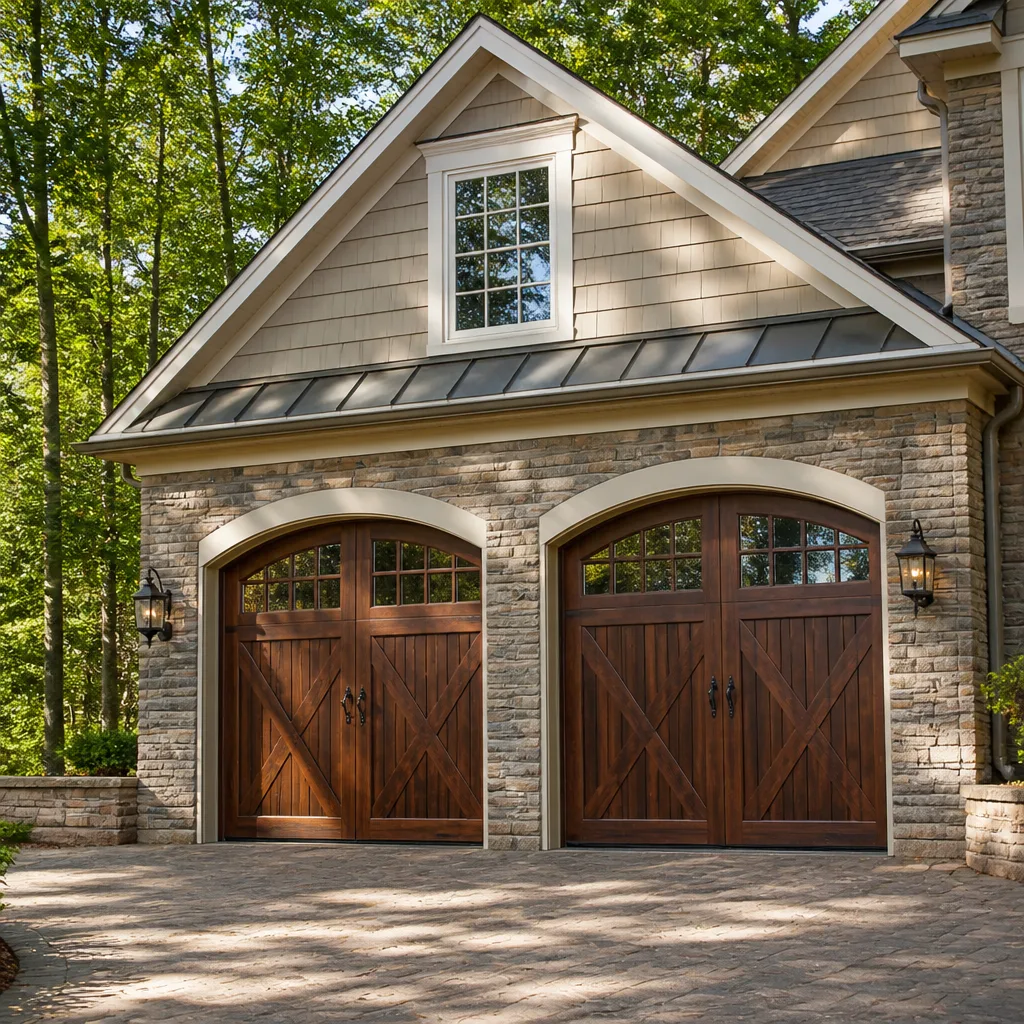 Carriage house
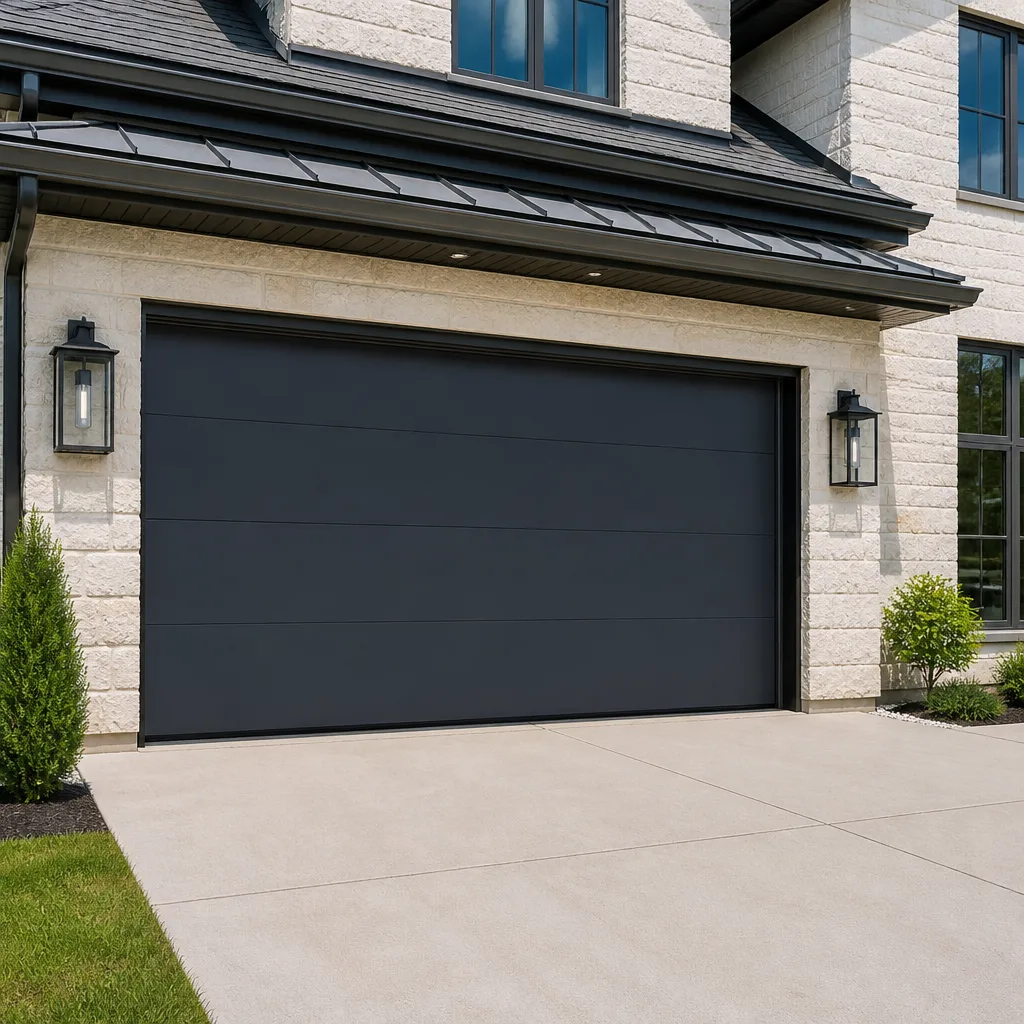 Modern flush
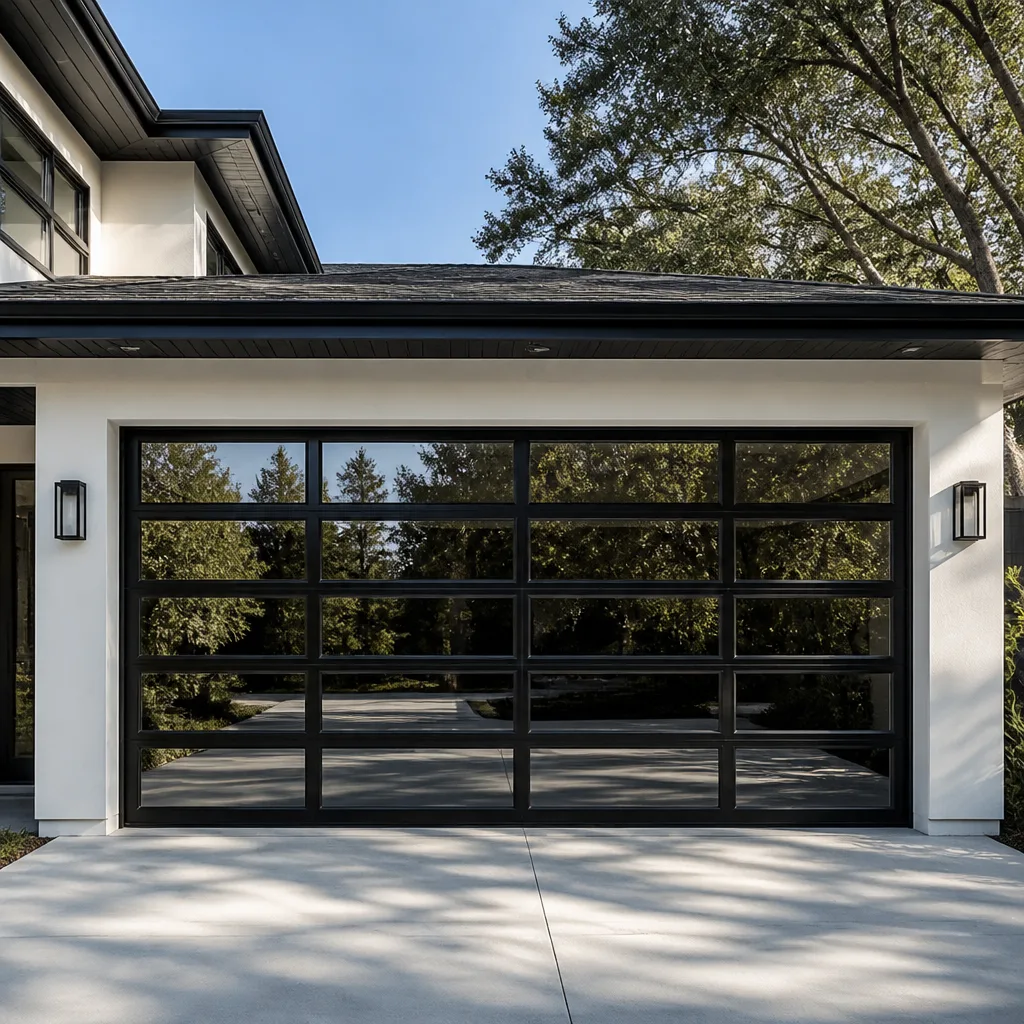 Full-view glass
 LiftMaster openers
 Chamberlain openers
Full 25-point door and opener safety check with every visit - springs, cables, rollers, tracks, and your LiftMaster or Chamberlain opener included
You get a price before we start. It does not change when the pro arrives.
Get your free estimateGarage Door Warning Signs: A Vacaville Homeowner’s Reference Guide
A grinding noise during the first foot of travel is not the same problem as a grinding noise at the top of the cycle. Yet most homeowners describe both as “my door is making a weird noise,” and that tells a technician almost nothing until someone is standing in the driveway. The truth is that most garage door failures announce themselves well in advance. The door is trying to tell you something through a rattle, a shudder, a lag on the way up. Most people just don’t know which signals matter and which are ordinary wear. This guide maps specific sounds and movements to their likely mechanical causes, so you can tell a repair that’s coming from a repair that’s already here. We’ll walk through the warning signs that actually mean something in Vacaville, where a long hot summer pushes on these systems in ways that show up in specific places. By the end, you’ll know what to watch, what to schedule, and what means stop using the door today.
Quick Answer
Garage door warning signs that warrant a service call include grinding or popping sounds, a door that reverses before closing, sagging or uneven movement, frayed cables, and a door that feels unusually heavy when you lift it by hand. In Vacaville, the strongest early clues are heat-warped bottom seals that drag on the opener and spring tension that fades quietly over time. If you hear a loud bang and the door won’t lift, stop using it immediately and call a professional. Any issue that involves springs, cables, or the door coming off its track is a trained-technician job, not a weekend project.
Styles & brands we work with
- Raised-panel steel
- Carriage house
- Modern flush
- Full-view glass
- LiftMaster openers
- Chamberlain openers
Table of Contents
- What the Specific Sounds Are Telling You
- Visual Warning Signs That Are Easy to Miss
- Reading Your Opener’s Behavior as a Diagnostic Tool
- How Vacaville Heat Accelerates Wear
- The Triage Guide: Monitor, Schedule, or Stop Today
- What Brand You Own Matters for Diagnosis
- A Seasonal Walk-Around for Vacaville Homes
What the Specific Sounds Are Telling You
The position of a sound during the door’s travel is often more diagnostic than the sound itself. Where you hear it tells you what’s moving when you hear it. Most garage doors cycle in roughly ten seconds, and each segment of that travel engages different components: the opener rail at the start, the rollers in the track through the middle, the springs and drums at the top and bottom. When a homeowner calls and says the door is noisy, the first question is always where in the cycle the noise happens.
Here’s how we map the most common sounds to their likely source.
- Grinding in the first foot of travel: Usually the opener’s carriage or trolley struggling on the rail, or a worn gear inside the opener head. A stretched or dry drive chain or belt also grinds at the very start as it takes up slack. If it’s an opener with a screw-drive, the screw needs lubrication.
- Grinding at the top of the cycle: Almost always rollers binding in the curved or vertical track, or a hinge that’s seized from rust or dry bushings. This is the most common noise in older doors, and it’s usually not urgent – it’s a lubrication and inspection job.
- Popping or snapping: A single loud pop that repeats at the same spot in the cycle typically means a torsion spring is winding and releasing unevenly, or a hinge plate is catching. This one deserves attention before it becomes a failure.
- Scraping along one side: A roller is off its track or a panel’s edge is dragging. This causes permanent damage to the panel if left alone for a few weeks.
- Rattling across the whole cycle: Loose hardware, worn rollers, or a track that’s pulling away from the jamb. Usually fixable with tightening and replacement of small parts.
- A loud bang from the spring bar, followed by the door being stuck: This is a broken torsion spring. Stop using the door.
If you can identify roughly where the noise occurs, you’re already ahead. When you call for garage door repair, tell the dispatcher the position, not just the sound. It saves the technician a diagnostic step and usually helps them arrive with the right part.
Visual Warning Signs That Are Easy to Miss
Sound gets your attention. Vision catches what sound hasn’t started yet. The most important things to check on your door are the things you’d walk past without noticing: the way the cables lie across the drum, the shape of the rollers after years in a track, and the gap between the door and the floor when it’s fully down. Those three checks catch more problems than anything else on a homeowner’s inspection list.
Start with the cables. Extension cables run along the sides at an angle; torsion cables wind onto a drum above the door. Look for any cable that has picked up a fuzzy texture, a kink, or a strand that’s sticking out at an odd angle. A fraying cable is a stop-using-the-door issue – it can snap under load, and the failure is violent. Look along the length, not just at the ends.
Then the rollers. A healthy roller is round and turns freely. A worn one has flat spots, is quiet but rough, or shows the stem starting to pull out of the hinge. White nylon rollers often reveal wear by wear-ring discoloration. Steel rollers show it by flat-spotted edges. If you can see the roller wobbling in its track – visible when the door is halfway up and the roller is passing through a hinge bracket – it needs replacement.
Finally, the bottom gap. With the door fully closed, look at where the bottom seal meets the driveway. A normal seal flattens uniformly. A seal losing its grip will show a wedge-shaped gap at one corner or along one side, because the door has developed a slight tilt. That tilt is usually a spring-tension imbalance, not a seal problem. Replacing the seal alone just hides the symptom for a few months.
Less obvious but worth a glance: the door’s panel edges. Heat warping on a hollow-core steel or fiberglass panel can show as a slight wave in the panel face. That’s not urgent, but it does affect weather sealing over time. Unbalanced spring tension is a trained-technician-only fix; don’t try to adjust torsion springs yourself.
Reading Your Opener’s Behavior as a Diagnostic Tool
Your opener is not just a motor – it’s a recording of everything the door is doing to it. A hesitation on the way up, a sudden reversal on the way down, or inconsistent response times are all symptoms that point to different root causes. Most homeowners see “the opener is broken” when the opener is actually the messenger, not the culprit. This is one of the reasons we treat garage door opener repair as a distinct discipline from door repair: you have to know which side of the system is actually at fault before you sell a repair.
Here are the patterns we see and what they most often mean:
- Hesitation on the way up, then a smooth run: The door is fighting the opener. Usually a dragging bottom seal, dry rollers, or spring tension that has weakened. The opener’s motor is producing peak torque in that first second to break the door loose. On LiftMaster and Chamberlain belt-drive openers, you’ll often hear a strained hum. On Genie and Craftsman chain-drive units, the chain itself will sound labored.
- Reversal before closing: Most often the safety sensors are misaligned, dirty, or the sun is hitting the receiving eye. In Vacaville, sun angle through a west-facing garage door in summer is a frequent cause of phantom reversals in the late afternoon. If you can shade the sensor and it works, that’s your answer – not a broken opener board.
- Inconsistent response times, sometimes two presses: Failing wall-button wiring, a weak battery in a remote, or an opener logic board that’s starting to fail. Rule out the cheap causes first – a fresh battery in the remote or keypad often solves “the opener doesn’t always work.” If it doesn’t, the logic board or the wall station is next.
- The door reverses mid-close, then reverses again: The opener is meeting resistance and the safety system is tripping. Check the track for a small obstruction or a roller that’s jumped partially, then check the bottom seal. If both look fine, the opener’s force setting may have drifted, or the logic board is reporting a fault.
- Clicking, then nothing: The motor is trying to start. Could be a failed start capacitor, a stripped drive gear, or (on older models) a burned-out logic board. This is the case where opening the opener’s head cover is worth doing – it’s a quick diagnosis for a technician.
One note about modern openers: most LiftMaster and Chamberlain units have a diagnostic light on the motor head that flashes a code. If yours has one, count the flashes before you call. It cuts diagnostic time significantly, and it’s the single most useful piece of information a homeowner can bring to the call. Some Genie models and older Craftsman units don’t have this light, so observation during a cycle becomes the diagnostic tool instead.
How Vacaville Heat Accelerates Wear
The specific ways a garage door wears out in Vacaville have less to do with catastrophic events and more to do with the long, warm season. Vacaville runs hot through the summer, and a west- or south-facing garage takes the brunt of it. The most common pattern we see is a bottom seal that slowly takes a set from the heat and begins to drag. The opener compensates for that drag by ramping up force. That works, until it doesn’t – and what the homeowner finally notices is that the door “suddenly” started reversing, when the compensation has been quietly happening for weeks.
There are a few Vacaville-specific wear patterns worth knowing:
- Bottom seal warpage: The rubber or vinyl seal at the bottom of the door absorbs heat and takes on a wavy shape. Rather than lying flat on the driveway, it develops high and low points that drag on the opener during the first few inches of travel. Watch for a seal that looks “wavy” when the door is fully down.
- Lubrication breakdown: Factory lubricant on rollers, hinges, and the opener rail dries out faster in heat. Rollers that were quiet in spring start making noise by August. That’s not a failure – it’s an overdue lubrication job. The two-minute fix is a proper track-and-hinge lube, which we’d rather see you schedule than ignore.
- Spring tension softening: Torsion and extension springs relax slightly in sustained heat. That relaxation is not usually dangerous, but it does increase the load on the opener, which shows up as the “hesitation” pattern above. A door that used to feel easy to lift by hand but now feels heavy is showing you softened spring tension.
- Panel panel separation: On steel and fiberglass doors (Clopay and Amarr are the most common in this area), the panel edges can show a slight wave after multiple hot seasons. That wave doesn’t fail the door, but it does start to break the weather seal and let hot air into the garage.
- Cable and drum wear cycles: Heat is a small factor here; use cycles are the bigger one. But homes in Vacaville with high daily cycle counts – two cars, everyone in and out – see cable wear earlier than a low-use door in a cooler climate, simply because the door is running more days per year.
The practical takeaway is that a Vacaville door benefits from a walk-around in early summer, before the heat peaks. Look at the bottom seal, listen to the opener’s first second of travel, and check the cable on each side. That’s thirty seconds of work that catches the seasonal wear before it becomes a repair.
The Triage Guide: Monitor, Schedule, or Stop Today
Not all warnings are equal. Some are the door telling you it’s tired. Some are the door telling you a component is about to fail. Some are the door telling you to stop right now. Sorting those three apart is the single most useful thing a homeowner can learn, because it prevents both overreacting to ordinary wear and running the door one more time when doing so is genuinely unsafe.
Here’s how we triage the signs in the field.
Monitor – a week or more is fine
- Mild rattling at speed – usually loose fasteners or worn rollers. Lubricate and tighten, and see if it settles.
- Grinding at the top of the cycle – roller wear. Not urgent, but schedule it within a month or two.
- Sun-triggered reversals on a west-facing door – adjust the sensor shade or schedule a sensor move.
- Slight bottom-seal gap at one corner – check for door tilt. If the gap isn’t growing, it can wait a short while.
Schedule soon – within days to a couple of weeks
- Hesitation on the way up that’s gotten noticeably worse in the last few weeks.
- Inconsistent opener response or double-press needed.
- A popping sound repeating at the same spot in the cycle.
- Uneven door travel – one side lags the other noticeably.
- A door that feels noticeably heavier by hand than it used to (and by “by hand,” we mean lifting from the bottom with the opener disengaged – if you feel unsure, don’t).
Stop using the door today – call a technician
- The door won’t lift after a loud bang from above. Broken spring. Do not try the opener again.
- Any visible fraying on a cable, kink, or strand poking out. A snapped cable can whip, and the door can fall unevenly.
- A door that has left its track on one side, even partially. Running the opener will cause panel damage.
- The opener engages but the door doesn’t move and the motor strains. Could be a stripped gear or a broken spring – either way, stop.
- Any physical sign of the door binding: a panel visibly bent, a hinge half-detached, a drum with the cable visibly loose.
If any of those “stop today” signs is happening at your house, call Calloway Garage Door Repair. It’s safer to call than to test the door one more time, and it’s less expensive than a repair after the door has fallen.
What Brand You Own Matters for Diagnosis
The brand of your door and opener changes what you’ll see and hear. Not dramatically – hardware is hardware – but specific brand behaviors show up in specific ways. Knowing your brand helps you describe the problem accurately, and it helps us arrive prepared.
Clopay and Amarr doors dominate the residential market and both are usually steel or steel-backed insulated panels. On Clopay and Amarr doors, watch the panel seams: heat-caused panel separation shows up more clearly than on a wood door, because the panel’s paint finish cracks along the seam when the door has slight tension problems. That crack is a warning sign, not cosmetic damage.
Wayne Dalton doors have their own quirks. The TorqueMaster spring system (a common Wayne Dalton setup) behaves differently from standard torsion: when the spring starts to lose tension, you often won’t hear the torque change, but you will see a slower door and slightly heavier manual lift. A broken TorqueMaster spring also often looks different from a standard torsion break – the door may still lift by hand, which leads homeowners to assume it’s an opener problem.
Craftsman and LiftMaster openers share a lot of internal design. Both use chain-drive or belt-drive rails, and both often have the diagnostic light pattern mentioned earlier. If you own a Craftsman opener, note that the diagnostic light works the same as on the corresponding LiftMaster – it’s the same design lineage. Chamberlain and Genie both have their own logics and their own failure signatures, from ghost-reversals on Chamberlain to a very specific “click-but-no-move” on older Genie screw-drives.
The practical value of this brand fluency: when you call, you can tell us the brand and we can guess the likely failure before we arrive. We carry the diagnostic knowledge on all eight major brands because a garage door recommendation should come from what your door needs, not from what’s convenient to sell.
A Seasonal Walk-Around for Vacaville Homes
Doing a walk-around on your own door once a season catches the small things before they become repair calls. Here’s the five-minute routine we recommend. It’s not a substitute for a professional inspection, but it’s the right thing to do for anyone relying on the door daily.
- Start with a visual loop. Walk from one side of the door to the other. Look at the cables, the rollers, the panel seams, and the bottom seal. Don’t touch anything yet – just look.
- Run the door once and listen. Cycle the door from inside the garage. Stand to the side of the track, not under the door. Listen for grinding, popping, or scraping. Note where in the cycle it happens.
- Test the safety reversal. With the door on the way down, wave an object through the sensor beam. The door should reverse. If it doesn’t, the sensor is due for service before anything else.
- Check the balance. With the door fully closed, disconnect the opener (usually a pull cord). Lift the door about a foot by hand and let go. A balanced door stays put. It should not drop, and it should not require real effort to lift. If it feels heavy or falls, don’t force it – call for service. Never attempt this on a door with visible spring or cable damage.
- Look at the sensor eyes. Clean both. In a dusty Vacaville summer, the sensor lenses collect fine dust that causes the “reverses for no reason” symptom.
- Listen to the opener’s startup. Any new hesitation, new vibration, or new sound is worth noting even if the door is working fine.
- Write down what you noticed. Date it. When you finally call, “it started around late July” tells a technician far more than “it just started.”
Common Mistakes to Avoid
- Treating the opener as the only suspect. Nine out of ten opener “failures” are the door, not the opener. If the door drags, the opener will eventually report the problem through hesitation or reversal. Replacing the opener without fixing the underlying drag leaves you with a new motor doing the same work against the same resistance.
- Lubricating a track with the wrong product. WD-40 is not track lubricant. A track should get a light, purpose-made garage door lube, not a liquid that attracts dust. In Vacaville’s dry summer, an attractant product turns the track into a dust trap in a week.
- Adjusting a torsion spring yourself. Torsion springs are under extreme tension and can cause serious injury if they release unexpectedly. If you’re not trained, don’t touch them. This is the single most dangerous part of any garage door.
- Ignoring a bottom seal that “just looks a little wavy.” That waviness is what’s causing the opener to work harder. Replacing the seal early is far cheaper than replacing an opener that’s been compensating for months.
- Replacing a door when a repaired door would last. We install new doors, so we’re not saying this out of self-interest: many doors that get replaced just needed panel and spring repair. If we tell you to repair instead of replace, that’s the correct recommendation for your door.
- Calling a generalist for a spring or cable failure. A broken torsion spring is not a handyman repair. It’s a trained-technician repair. A garage door specialist can also tell you whether the spring break caused any related damage to the drum, cable, or opener – damage a generalist might miss.
- Skipping the “brand” detail on the call. “My opener is beeping” gets a different prep than “my LiftMaster is beeping.” If your door is a Clopay with a Wayne Dalton opener, say so. The specific combination is diagnostic.
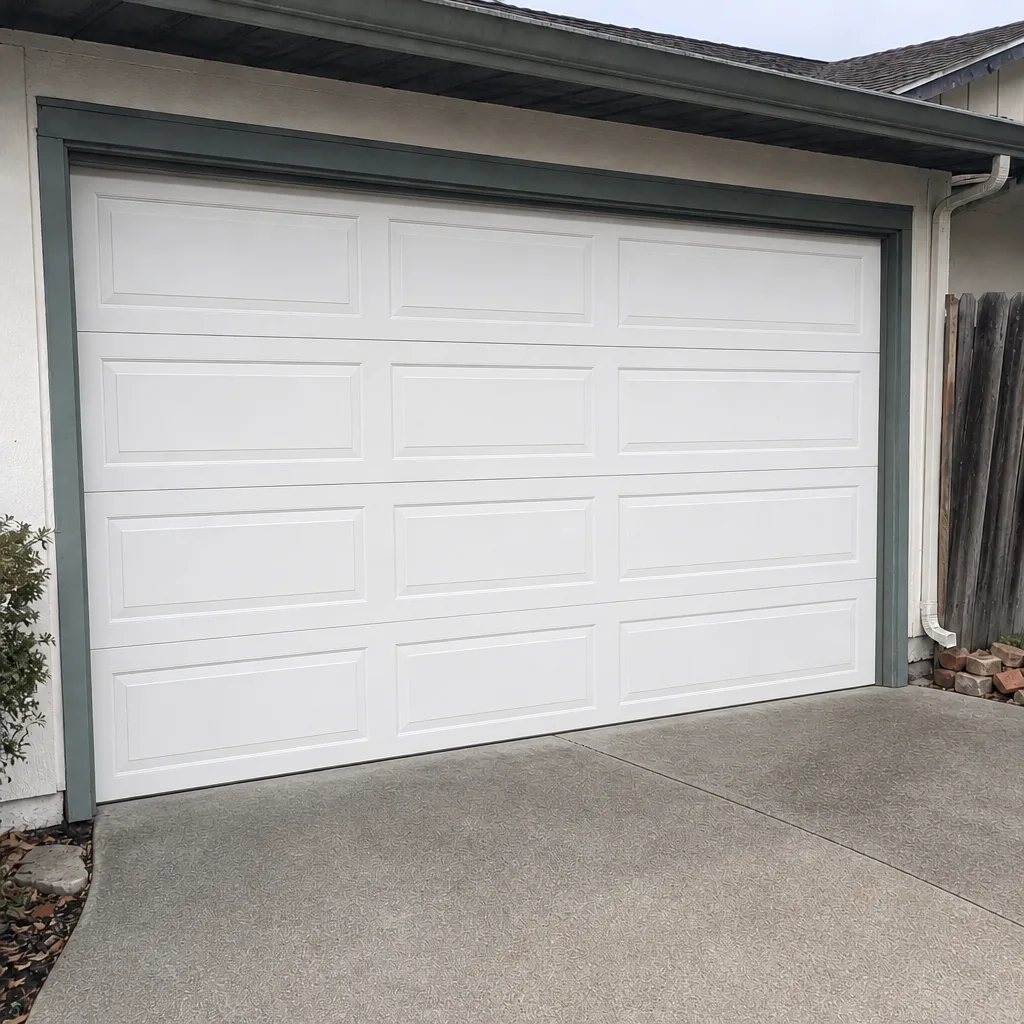
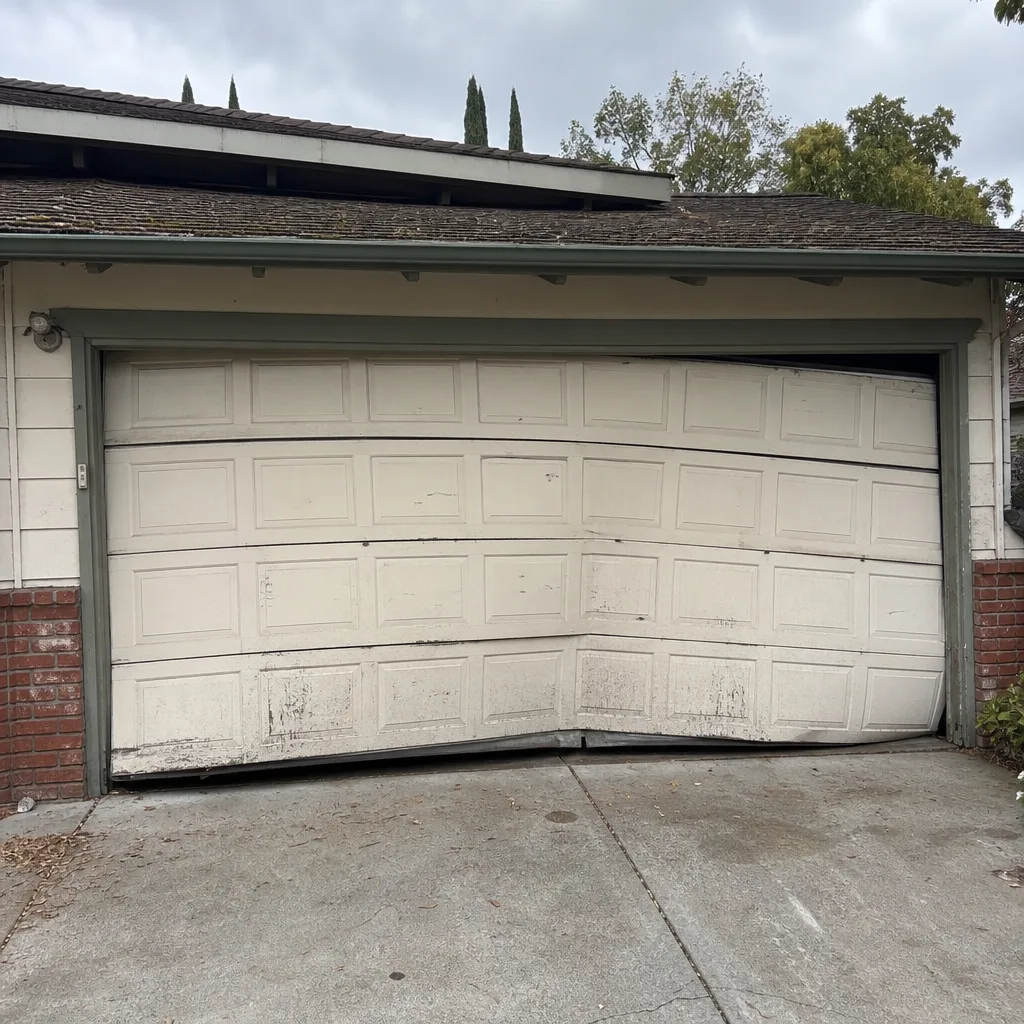
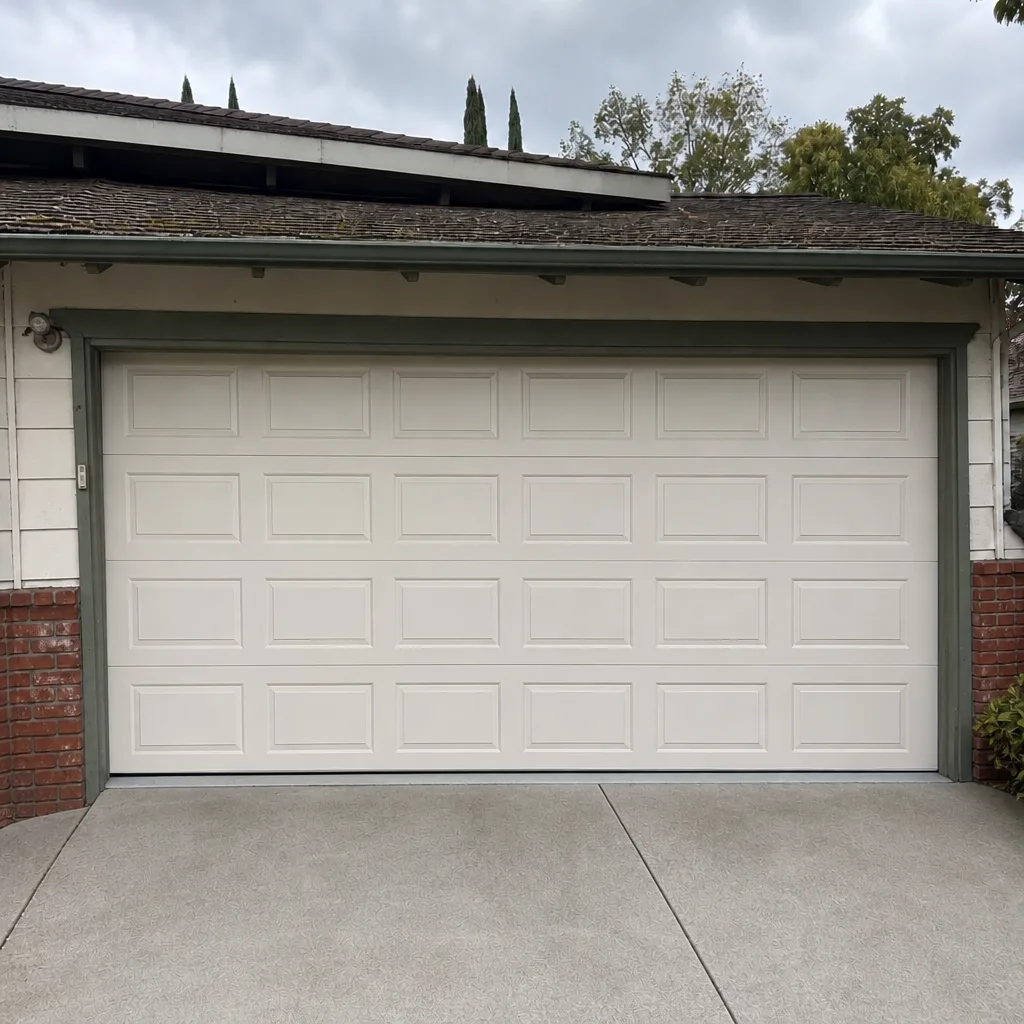
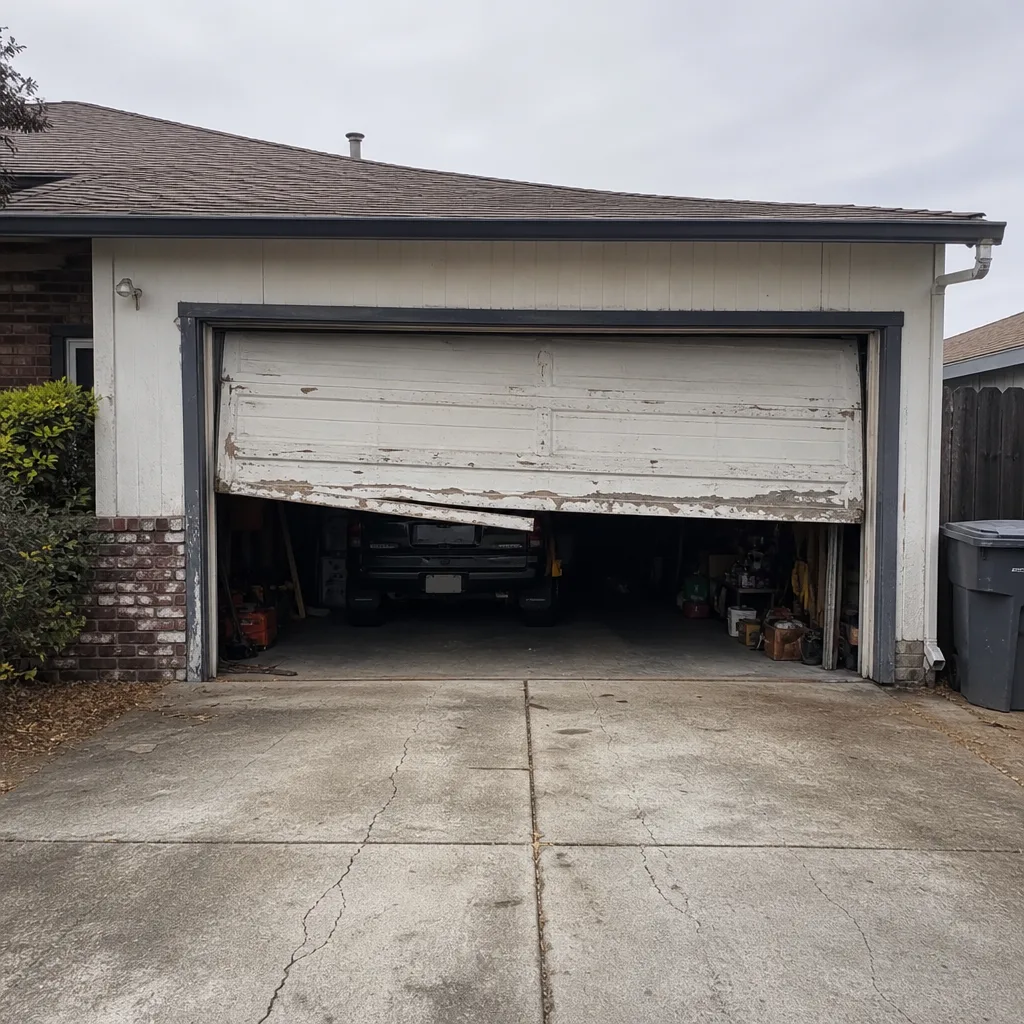
See the difference
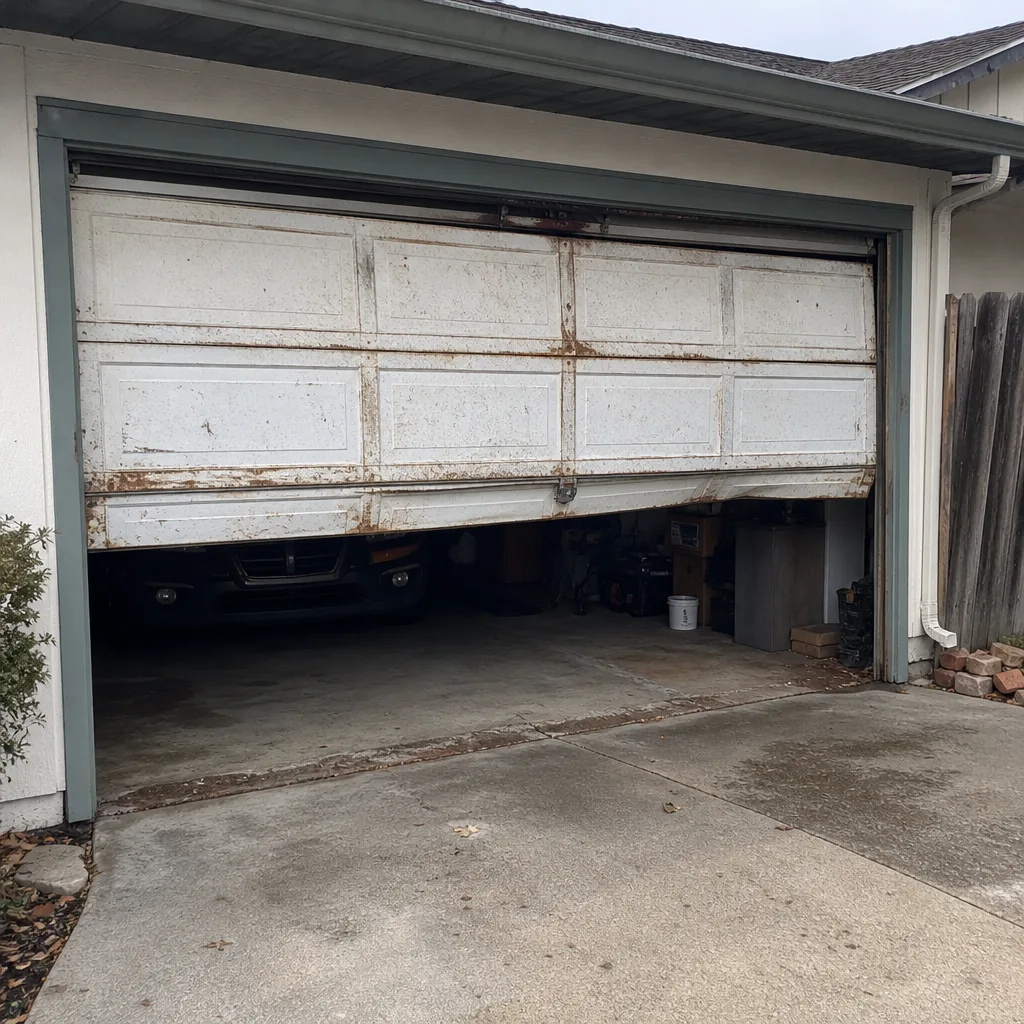 Before
 After
 Before
 After
 Before
 After
When to Call a Professional
You need a professional the moment any of the following is true: you hear or see a cable starting to fail, the door is off its track even slightly, the spring bar has produced a loud bang, or the door reverses for no obvious reason and won’t stop. Call right away if the bottom seal is dragging enough that the opener is clearly straining – that’s a drag problem that will eventually kill an opener. Call for a scheduled visit if the door’s noise has changed, the door is slower than usual, or you’re not sure whether the wear you’re seeing is normal. Spring and cable issues are genuinely dangerous: they can release stored energy in a way that injures the person nearby, so don’t probe, lift, or adjust them yourself.
Calloway Garage Door Repair offers free estimates in Vacaville – call (855) 922-3585. We answer 24/7. Fast dispatch from 7am to 7pm, Sunday through Friday. Our technicians have up to 13 years of experience, and every job is quoted in writing before any work starts.
Frequently Asked Questions
The clearest sign is a loud bang from above the door followed by the door refusing to lift, or lifting only an inch or two before stopping. A broken spring also leaves the door feeling very heavy when you try to lift it by hand with the opener disengaged. In Vacaville, a broken spring often happens during the summer heat, when a spring has already lost some tension and then fails on a routine cycle. If you suspect a broken spring, don’t use the opener. Call (855) 922-3585 for an estimate.
Grinding at the top of the cycle most commonly means worn or dry rollers binding in the curved and vertical track, or a hinge whose pin has started to seize. It is usually a lubrication and small-parts repair, not an emergency. Note the position in the cycle and mention it when you call – it lets the technician arrive prepared with rollers and hinges rather than doing a full diagnostic first.
Reversing before closing is almost always the safety sensor system, not the door itself. Common causes are a misaligned sensor, a dirty lens, or sun hitting the receiving eye – a particular problem on west-facing garage doors in Vacaville during summer afternoons. Clean the lenses, check for obstructions, and shade the sensor if the sun is the culprit. If the reversal continues after those checks, the opener’s travel limits or logic board may need attention. Call (855) 922-3585 to schedule a diagnostic.
No – a homeowner should not replace a torsion spring. Torsion springs store an enormous amount of energy, and releasing that energy incorrectly can cause serious injury. Extension springs, which run along the sides, are somewhat less dangerous but still a trained-technician job. If a spring is broken or failing, stop using the door and call a professional. Calloway Garage Door Rescue can diagnose whether the spring break also caused cable, drum, or opener damage – something a non-specialist would likely miss.
Typical garage door repairs in Vacaville fall in a wide range depending on the part: a single spring replacement is usually in the low-to-mid hundreds of dollars, and matched pairs are typically about twice a single spring because both are replaced together. Roller and hinge replacements are on the lower end; opener logic board replacements and cable replacements fall in the middle. Every job is quoted in writing before any work starts, and the estimate is free – call (855) 922-3585 for your exact quote.
The written estimate is the price. Our technicians verify the diagnosis on site, confirm the parts needed, and quote the work before any repair begins. If they find an additional issue the door inspection exposes, they’ll explain what it is and let you decide. Nobody starts work under a different number than the one you agreed to.
The Bottom Line
Most garage door failures in Vacaville follow a known script. The bottom seal drags first, the opener compensates, the spring softens, and eventually something gives – but the whole time, the door was telling you what was happening. Practicing the seasonal walk-around, knowing the difference between a rattle and a pop, and reading the opener as a diagnostic tool all buy you months of early notice before a repair becomes a replacement. The signs that mean stop – a broken spring, a frayed cable, a door off its track – are the ones to take seriously and act on today. Everything else, you have time to schedule.
Calloway Garage Door Repair offers free estimates across Vacaville. Call (855) 922-3585 for anything from a repair visit to a full installation estimate – we work on your brand, and we’ll tell you whether repair or replace is the right call for your door.
Written by the team at Calloway Garage Door Repair.