
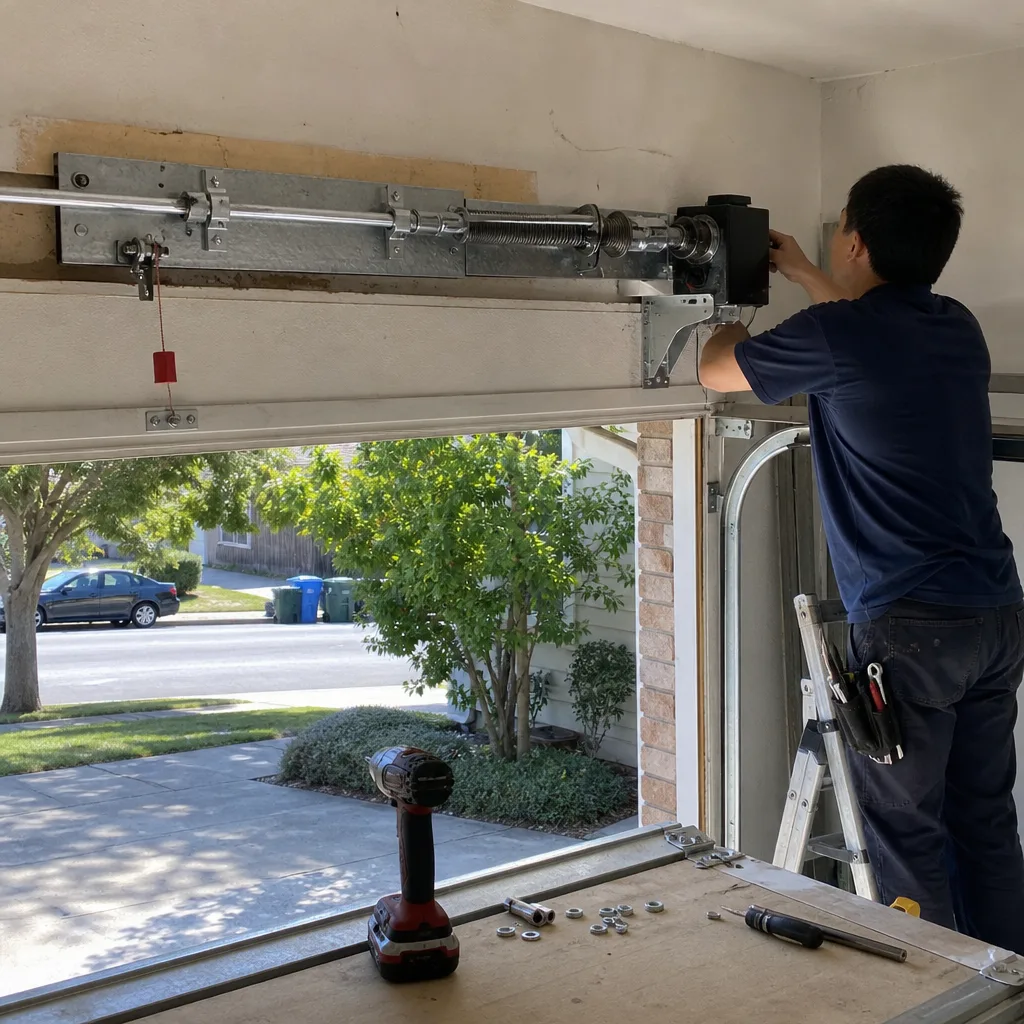
Last updated November 16, 2026
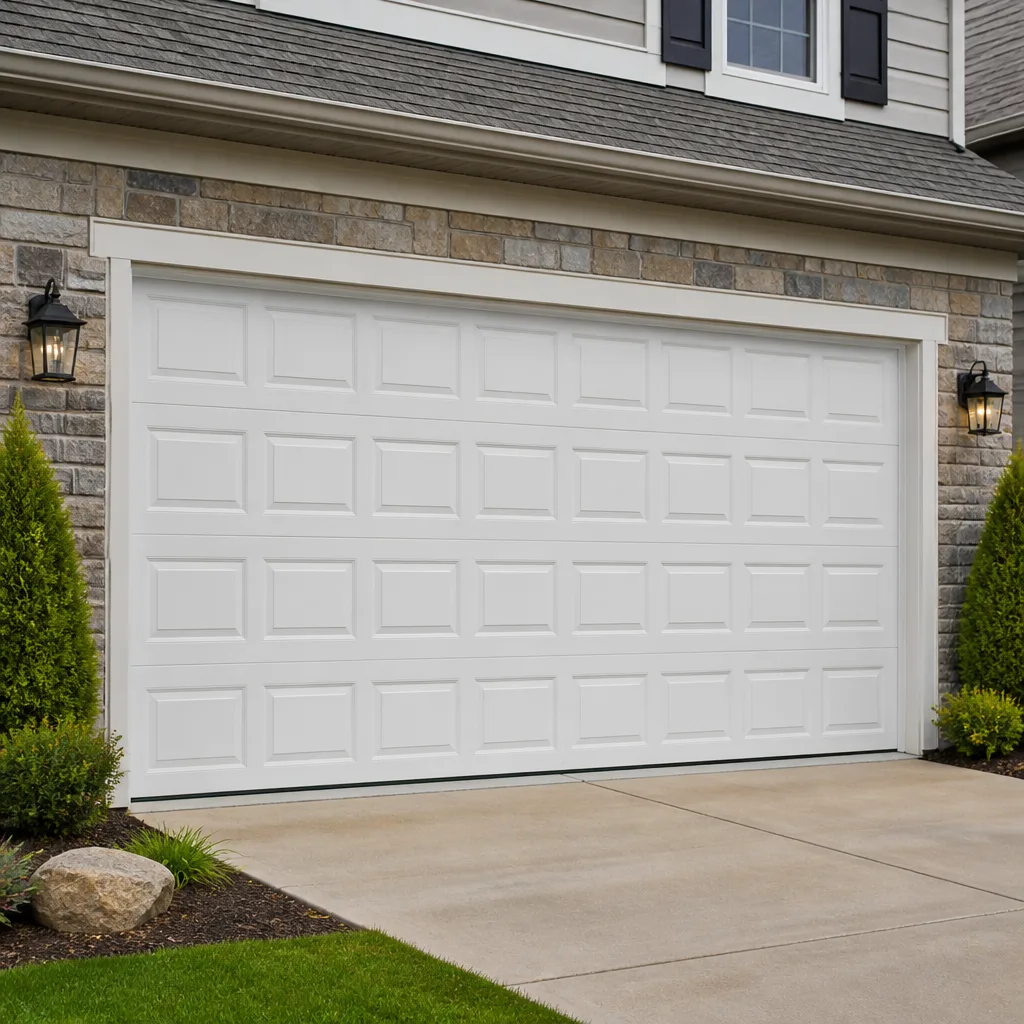 Raised-panel steel
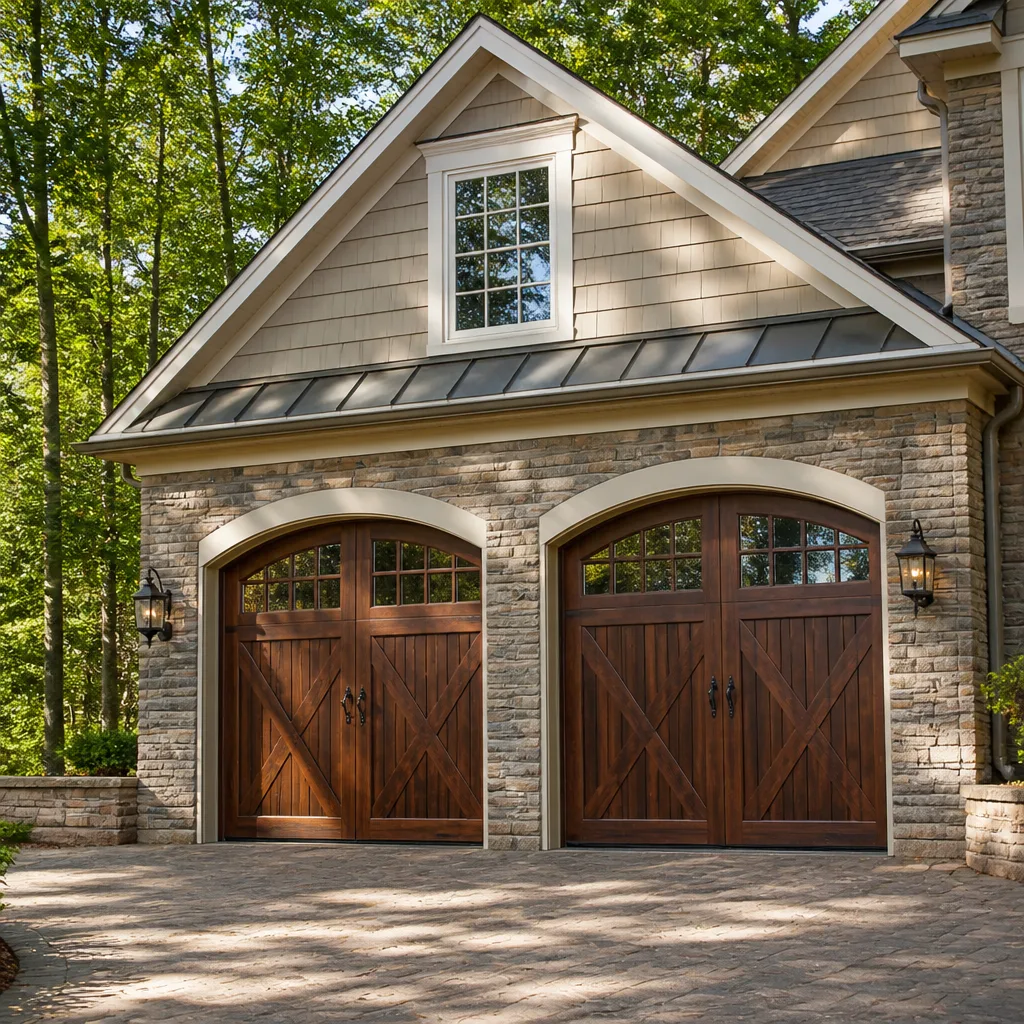 Carriage house
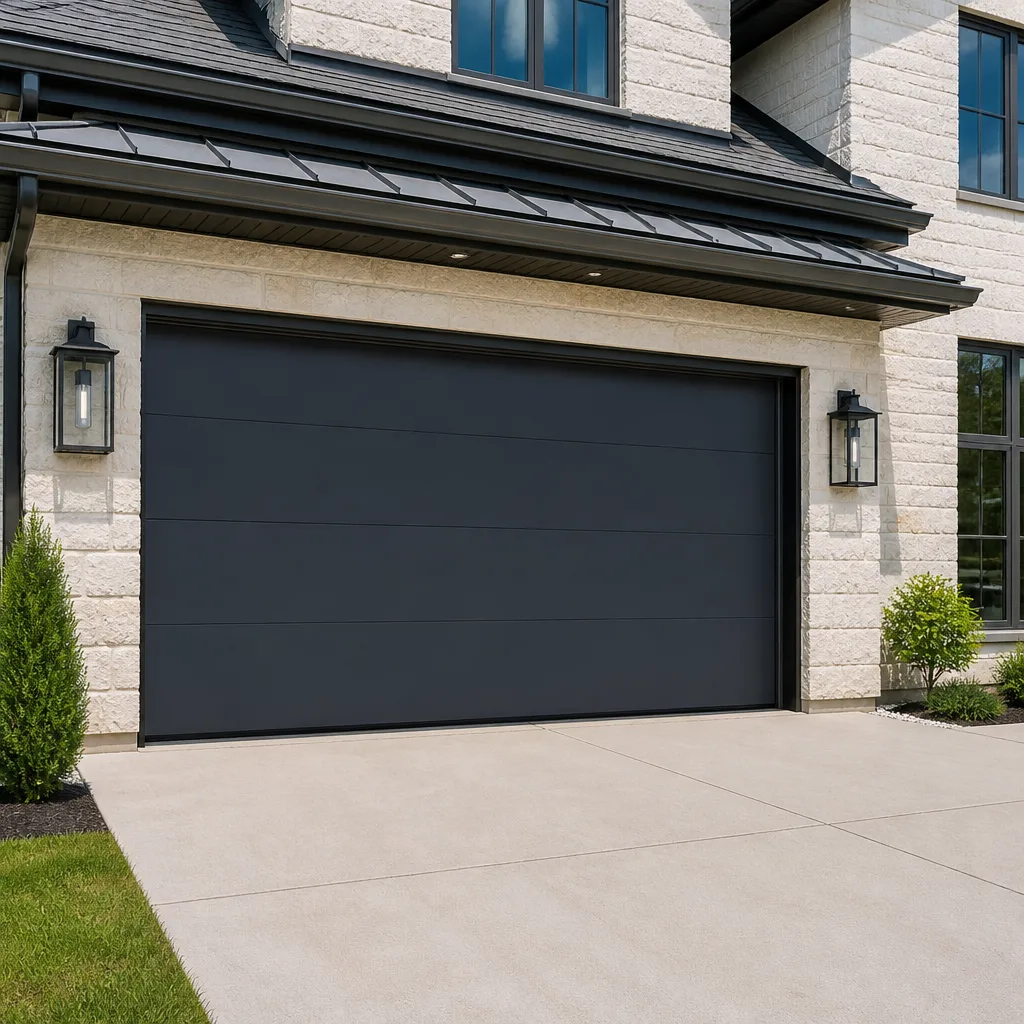 Modern flush
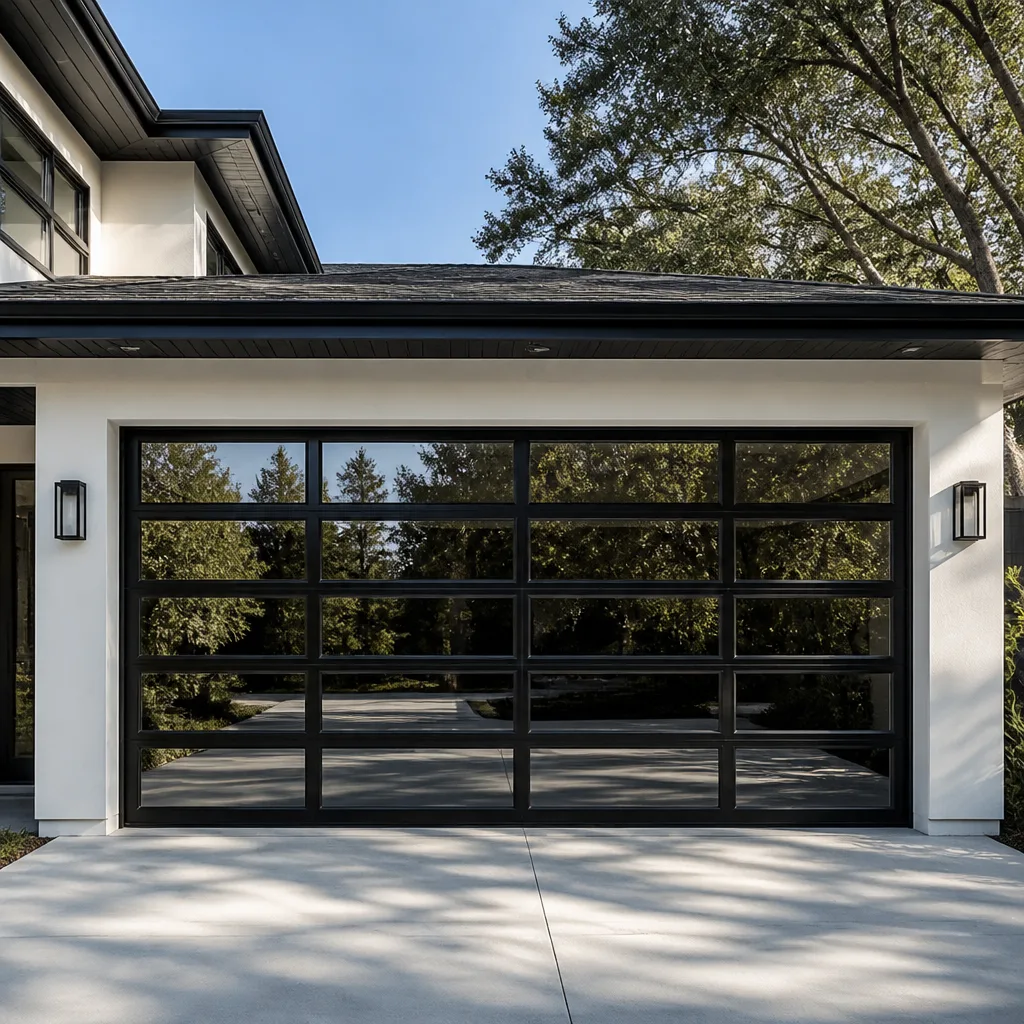 Full-view glass
 LiftMaster openers
 Chamberlain openers
Full 25-point door and opener safety check with every visit - springs, cables, rollers, tracks, and your LiftMaster or Chamberlain opener included
You get a price before we start. It does not change when the pro arrives.
Get your free estimateSeasonal Garage Door Care for Vacaville: Year-Round Homeowner’s Guide
Most garage door advice you’ll find online assumes four equal seasons. Vacaville doesn’t work that way. This city gets a long, punishing summer, a short mild winter, and two brief transitions in between, and each phase puts a different kind of stress on your door, your springs, and your opener. A generic quarterly checklist treats every month the same and misses the moments when things actually break. A care plan built around the real Vacaville calendar catches problems before they cost you a service call. In this guide, we’ll walk through what to check and when across the whole year, the symptoms worth watching, and the one safety test most homeowners skip in every season.
Quick Answer
Garage door care in Vacaville follows the local climate, not the calendar on a box: lubricate and inspect in April and May before the heat arrives, monitor springs and opener temperature through the June-to-September stretch, re-lubricate and check seals and panels in October and November, and watch the bottom seal for freezing contact during the occasional cold December-to-February nights. Test the auto-reverse force every season, because temperature swings push it out of spec and that test is a safety requirement, not an optional extra.
Styles & brands we work with
- Raised-panel steel
- Carriage house
- Modern flush
- Full-view glass
- LiftMaster openers
- Chamberlain openers
Table of Contents
- Why Vacaville’s Climate Beats Up Garage Doors Differently
- Pre-Summer Prep: What to Do in April and May
- Summer Monitoring: Heat, Springs, and Overheating Openers
- Fall Transition: Re-Lubrication and Panel Checks
- Winter: Cold Nights and the Bottom Seal
- The Auto-Reverse Test Homeowners Skip Every Season
- Your Year-Round Seasonal Schedule at a Glance
- Common Mistakes to Avoid
Why Vacaville’s Climate Beats Up Garage Doors Differently
A garage door is a large moving structure made of steel, wood, or composite panels, held by springs under tension and driven by a motor. Every material in that chain expands, contracts, and changes stiffness as temperature moves. In a place like Vacaville, temperature moves a lot, fast. A summer afternoon can push into triple digits and cool sharply overnight, and a garage interior on a west-facing wall bakes hotter still. That repeated cycle is the real wear driver, more than any single hot day.
Here’s the counterintuitive part. Coastal California doors sit in a narrow temperature band year-round and rarely see the same stress swings. A Vacaville door endures more thermal movement in one July week than those doors see in a month. That movement works on exactly the parts that matter:
- Springs, which cycle under load and are most likely to fail when metal behaves differently at temperature extremes.
- Weather seals and bottom seals, which go stiff with heat and UV and then lose their sealing grip.
- Opener motors, which run hotter in an uninsulated garage and can overheat or strain under a binding door.
- Panels and hinges, which can warp or loosen as the door expands and contracts repeatedly.
Vacaville’s neighborhoods all feel this. A door facing the afternoon sun in a newer east-side development and an older door tucked in a shaded downtown lot both experience the swings, just at different intensities. The care plan is the same; the intensity of the checks may differ. When you understand which phase stresses which part, you stop guessing and start catching problems early.
Pre-Summer Prep: What to Do in April and May
April and May are Vacaville’s prep window, and they matter more than any other two months on this calendar. What you do before the heat arrives determines how well your door holds up from June through September. The three priorities are fresh lubricant, weather seal inspection, and opener ventilation.
Replace old lubricant before the heat thickens it. Lubricant applied in cooler weather and neglected can thicken or collect dust over months, and when summer heat arrives it can gum up the moving parts instead of protecting them. Clean the old residue off the rollers, hinges, and tracks, then apply a garage-door-specific lubricant. White lithium grease or a silicone-based garage door lubricant works for most doors; avoid heavy axle grease and avoid spraying lubricant on the tracks themselves, which need to stay clean rather than slick.
Inspect the weather seals before UV degrades them further. The bottom seal and side seals take the full brunt of summer sun. In April, check for cracking, brittleness, or a seal that’s pulled away from the door. A seal that’s already tired in spring will be worse by August, and lifting it lets hot air, dust, and pests into the garage. If it’s cracking now, replace it before the heat.
Check opener motor ventilation. If your garage is uninsulated, the opener motor is working in an oven by July. Confirm that the opener housing isn’t blocked by stored items, that the motor vents aren’t clogged with dust, and that the door’s balance is correct so the motor isn’t straining. A well-balanced door takes most of the load off the opener; a poorly balanced one forces the motor to work harder in the worst heat. Your pre-summer walkthrough should feel like this:
- Open and close the door by hand (disconnect the opener first) and feel for binding or heaviness.
- Wipe old lubricant off rollers, hinges, and the torsion bar bearings.
- Apply fresh garage-door lubricant to those same points.
- Check bottom and side seals for cracks or gaps.
- Clear dust and stored items away from the opener housing and vents.
- Run a balance test (door should hold roughly halfway when disconnected) and note any drift.
Do these six steps in Vacaville in late April and you’ll head into summer with a door that’s ready for the worst of it. If anything in the balance test feels off, that’s the moment to bring in a trained technician rather than wait for a failure in August.
Summer Monitoring: Heat, Springs, and Overheating Openers
June through September is when most Vacaville garage door failures happen, and there’s a reason. Springs fail more often under sustained heat, and openers overheat in garages that hit triple digits. The good news is that failures usually announce themselves first. Learn the warning signs and you can call for garage door repair before you’re locked out on a hot afternoon.
Spring symptoms to watch. A spring that’s on its way out often shows small signs before it goes:
- A bang or loud snap when the door opens or closes.
- The door feeling suddenly heavier or harder to lift.
- A visible gap in the torsion spring coil or a stretched extension spring.
- The door drops fast or stops partway and reverses.
A torsion or extension spring is under extreme tension, and the torsion spring in particular can cause serious injury if a homeowner tries to adjust it. This is one of the parts where the right call is to stop, keep the door closed, and bring in a trained technician. Don’t try to unwind, adjust, or replace a spring yourself.
Opener overheating signs. An opener straining in summer heat can show a few clues: the motor feels hot to the touch after a single cycle, the door reverses unexpectedly mid-travel, the opener light flickers, or the remote works intermittently. That’s a hint to look at the door’s balance and the opener’s ventilation before the motor fails entirely. If your opener, a LiftMaster or Chamberlain or Craftsman, is showing these patterns, that’s a job for garage door opener repair rather than a quick tightening of a chain.
Summer monitoring is mostly observation. Check the door’s motion once a week, listen for new sounds, and note any change in speed or weight. The heat will do the rest of the work on our behalf.
Fall Transition: Re-Lubrication and Panel Checks
October and November are Vacaville’s recovery window. The heat has finally backed off, and it’s the best time to undo the wear summer put on your door. Three tasks matter here: re-lubrication, panel inspection, and bottom seal replacement timing.
Re-lubricate after heat season. Lubricant applied in spring has been cooked all summer. In fall, clean the old grease again from rollers, hinges, and the torsion bar bearings and apply fresh lubricant. This is the same routine as spring prep, and it’s worth doing twice a year here because the summer heat is the main wear driver. A door that runs smoothly in October will run more quietly through winter.
Check for panel warping. Summer temperature cycles can push steel and wood panels out of true. Run a hand along the panel edges and look for gaps at the seams, a door that doesn’t sit flush, or a panel that’s pulling away from its hinges. Warping may not fail immediately, but it stresses the track and hinges over the following months. Catching it in fall gives you time to address it before the door has to manage cold weather too.
Bottom seal replacement timing. Fall is often the right time to replace a worn bottom seal. A seal that’s cracked from summer UV won’t seal well against cold, and replacing it in October means it’s fresh before the coldest nights. When bottom seal replacement is needed, do it in fall so the seal has a chance to settle in before winter’s cold snaps.
If you’ve had a door or opener that’s been giving you trouble all summer, fall is also the moment to decide whether it needs repair or replacement. Since we work on both the door and the opener, we can tell you which one makes sense rather than guessing, and we’ve serviced just about every major brand you’ll see in Vacaville, from Raynor to the everyday LiftMaster and Chamberlain units.
Winter: Cold Nights and the Bottom Seal
Vacaville’s winters are mild, but they aren’t invisible. December through February brings occasional freezing nights, and those few cold snaps are enough to create a specific problem: the door freezing to the ground. A bottom seal that’s slightly wet when the temperature dips can stick to the concrete, and when the door opens, the seal can tear or the opener can strain. The fix is simple: keep the bottom seal clean and dry, and if you know cold is coming, wipe the seal contact area and make sure the door is closing fully onto dry concrete.
A few other winter considerations are worth watching:
- Cold-stiff seals. A bottom or side seal that was already worn going into winter gets stiffer in the cold. If the door no longer meets the ground cleanly, replace the seal before the cold sets in.
- Lubricant in cold weather. Some lubricants get tacky in the cold. A door that ran smoothly in fall but sounds strained in January may simply need a check on the lubricant points.
- Opener performance in cold. The opener motor also works harder when the door and its seals are stiff. Keep an eye out for the same overheating and reversal signs you watched in summer.
One thing to avoid: don’t sand or shave the bottom seal to fix a sticking door. The seal is size-matched to the door, and a shaved seal loses its ability to keep out cold, water, and insects. If the door is sticking to the ground on a freezing night, that’s a seal or alignment issue worth having checked, not a shaving job.
If you’re not sure what’s causing a winter door problem, a technician can tell you quickly. We answer 24/7 and fast dispatch runs from 7am to 7pm, Sunday through Friday.
The Auto-Reverse Test Homeowners Skip Every Season
This is the one task most homeowners skip, and it matters more here than in a mild climate. The auto-reverse is a safety feature that makes the door reverse when it meets an obstruction, and it’s a safety code requirement on modern openers. The catch is that the force threshold drifts with temperature. A setting that was fine in April can be out of spec by August because the door moves differently in the heat. That means it isn’t a once-a-year check. It’s a four-times-a-year check, ideally at the top of each season as the temperature shifts.
Testing the auto-reverse is generally safe because you’re testing the door’s response rather than adjusting the mechanism. The steps:
- Open the door and place a solid object, like a 2×4 laid flat, on the ground under the middle of the door.
- Close the door and watch carefully.
- The door should reverse quickly upon contact with the object.
- Observe how far the door travels after contact; a door that presses hard before reversing suggests force is too high.
- Repeat the test on the photo-eye safety sensor by passing an object through the beam while the door closes.
- If the door doesn’t reverse or the sensors don’t respond, stop using the door and have a technician check the opener settings.
Don’t adjust the force setting yourself past what the opener’s manual specifies. The force limit is a safety setting, and getting it too high defeats the purpose. If a test fails, a trained technician with the right tools and the opener’s manual can reset it correctly. We’ve worked on enough LiftMaster, Chamberlain, Genie, and Craftsman openers to know how the force settings behave across brands, and that’s the value in having a specialist look rather than a generalist. If you’re local, Vacaville homeowners can call and we’ll walk through the test or come take a look.
Your Year-Round Seasonal Schedule at a Glance
Here’s the whole plan in one place. Use it as a recurring calendar reminder, twice-yearly if you prefer, and adjust for your specific door if it’s showing any of the signs above.
| Season and Months | Main Focus | Tasks |
|---|---|---|
| Pre-Summer (April-May) | Heat preparation | Clean and replace lubricant; inspect and replace worn weather seals; check opener ventilation and door balance |
| Summer (June-September) | Monitoring | Watch for spring symptoms and opener overheating; weekly motion check; listen for new sounds |
| Fall (October-November) | Recovery and inspection | Re-lubricate; check for panel warping; replace worn bottom seal before cold arrives |
| Winter (December-February) | Cold resistance | Keep bottom seal clean and dry; watch for freezing contact; monitor cold-weather door strain |
| Every season | Safety | Run the auto-reverse and photo-eye tests as temperatures shift |
Vacaville’s calendar is what makes this schedule work. It isn’t a marketing add-on; it’s a response to the real load the local weather puts on a door. When our technicians have up to 13 years of experience in this trade, they’ve seen what a few bad weeks in August can do to a neglected door, and they’ve seen how much a simple April prep saves. If you’d rather have a professional run through the full checklist on your door and opener, that’s what Calloway Garage Door Repair is here for.
Common Mistakes to Avoid
- Skipping the pre-summer lubricant swap. Old lubricant thickens with heat, and a door that ran fine in March can feel heavy by July. Replace it in spring and again in fall, and your door will run smoother across the whole year.
- Treating the auto-reverse test as a once-a-year check. It drifts with temperature, so a setting that worked in April may fail in August. Test it at the top of each season, and if it fails, have it corrected rather than ignored.
- Shaving or trimming a sticking bottom seal. A shaved seal no longer seals. If the door sticks to the ground on a cold night, it’s a seal or alignment issue, not a reason to cut the seal down.
- Adjusting springs yourself. Torsion springs are under extreme tension and can cause serious injury. A loud bang or a visible gap means it’s time to call a technician, not to grab a wrench.
- Overloading the opener in an uninsulated garage. A door that’s binding or out of balance forces the motor to work harder in summer heat. Check balance in spring so the opener doesn’t cook.
- Ignoring panel warping after summer. Small gaps and misaligned panels left unaddressed stress the track and hinges through winter. A fall inspection catches them early.
- Waiting for a failure instead of running the checklist. Most Vacaville door failures come with warnings weeks ahead. A seasonal routine gives you room to fix things on your terms.
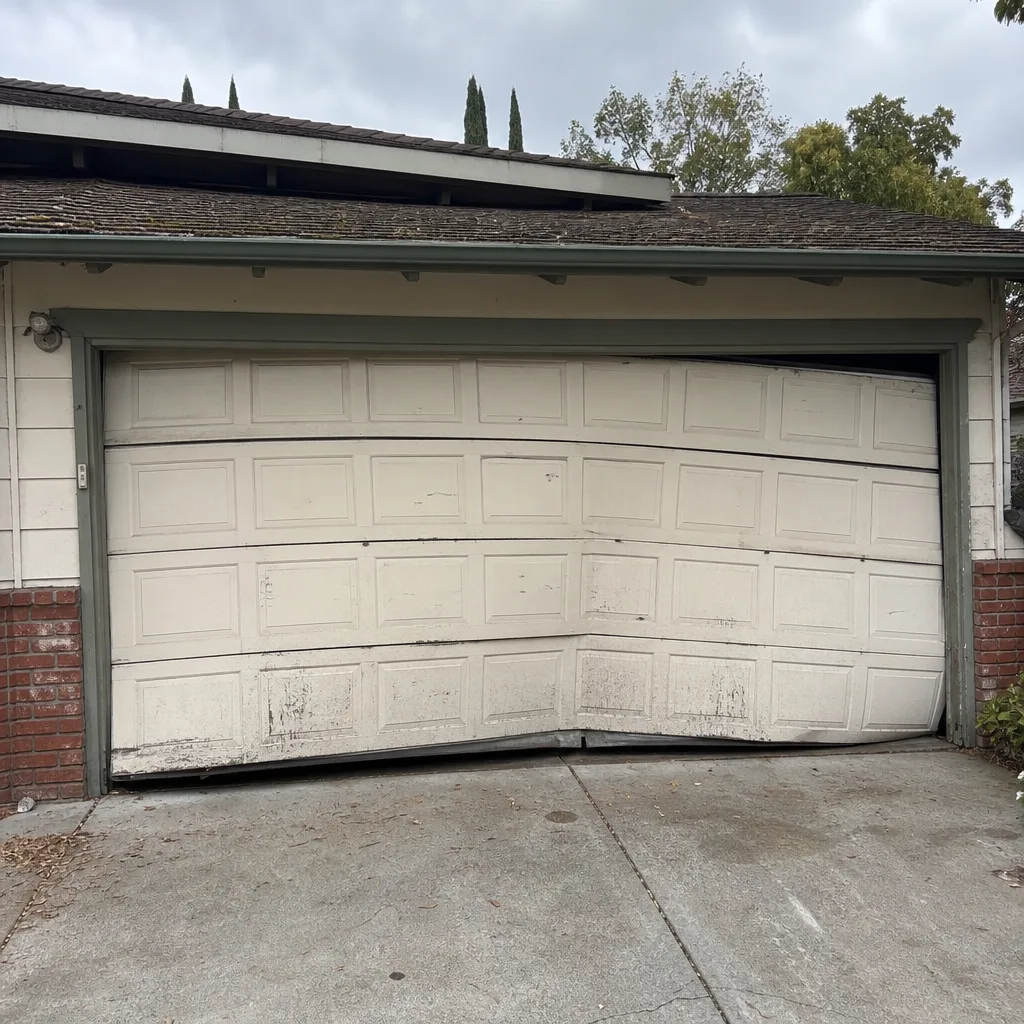
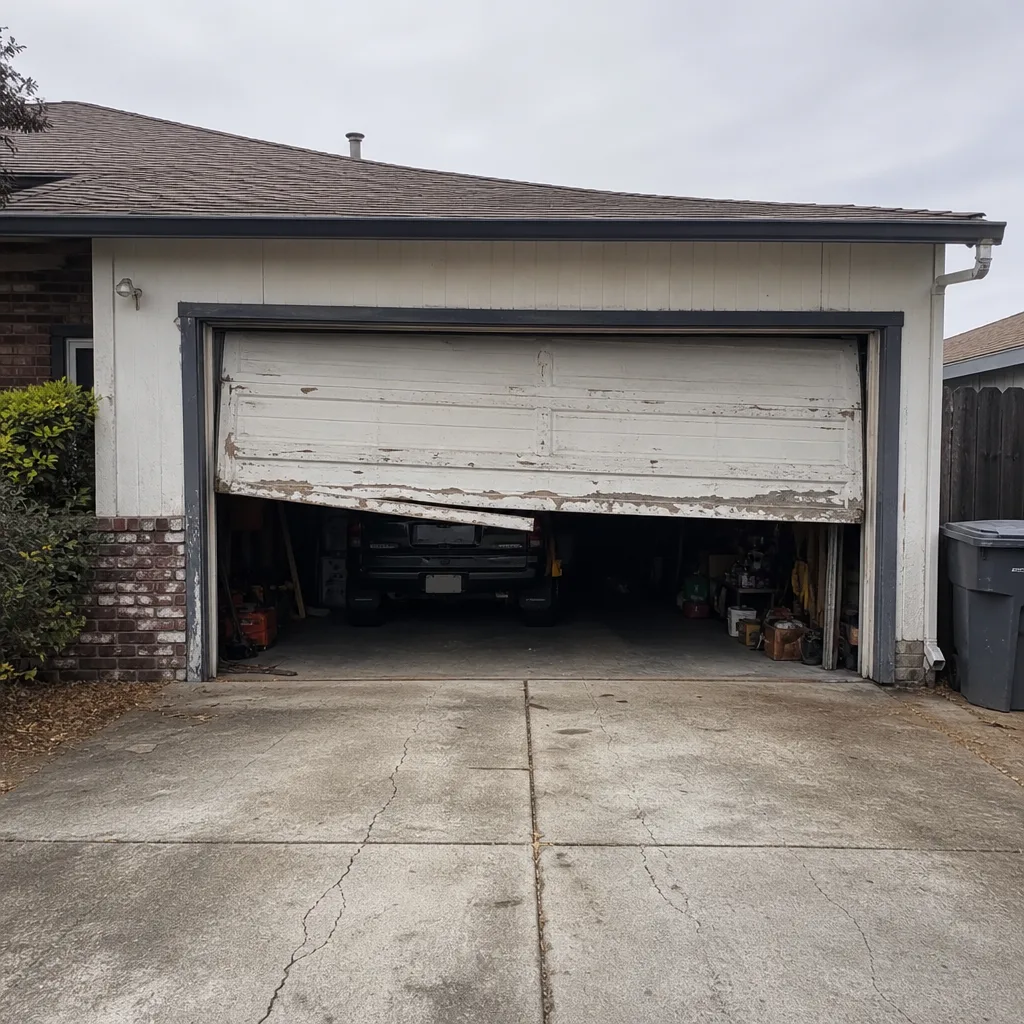
See the difference
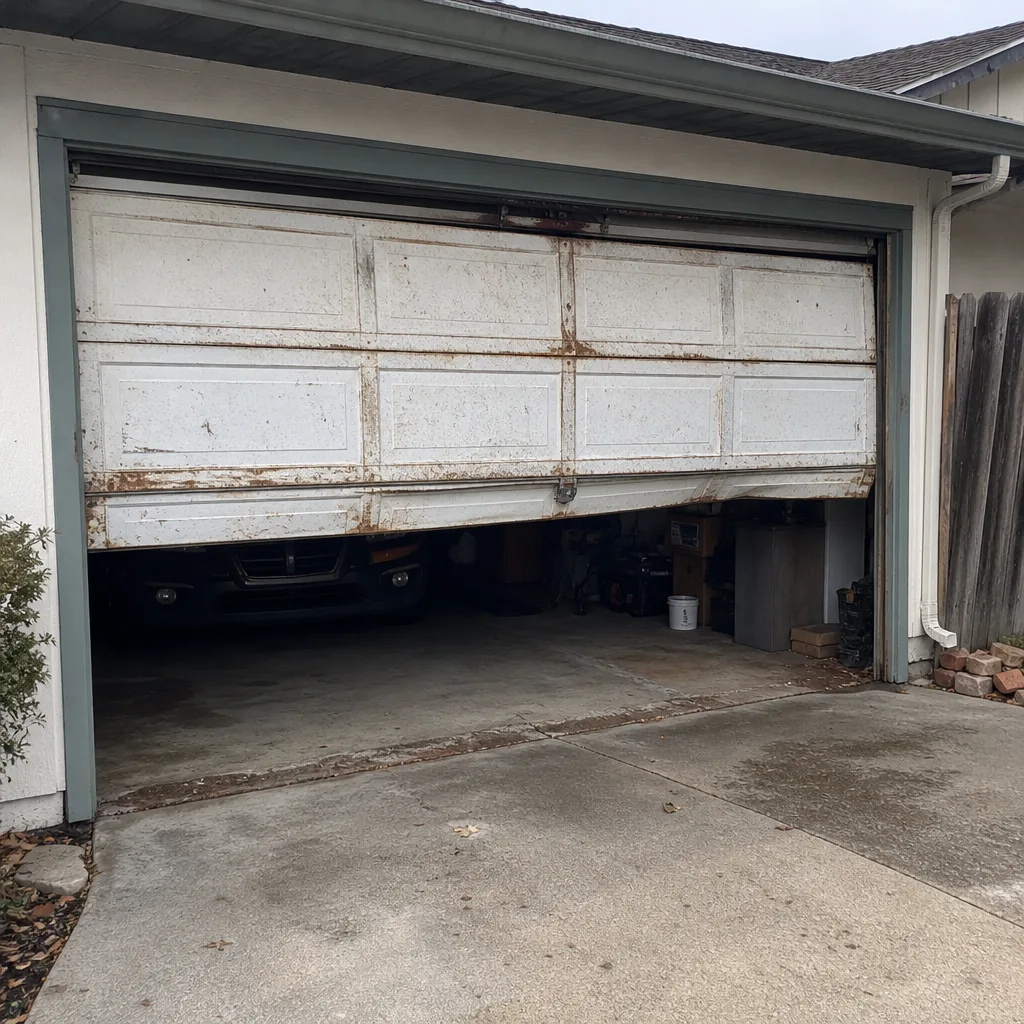 Before
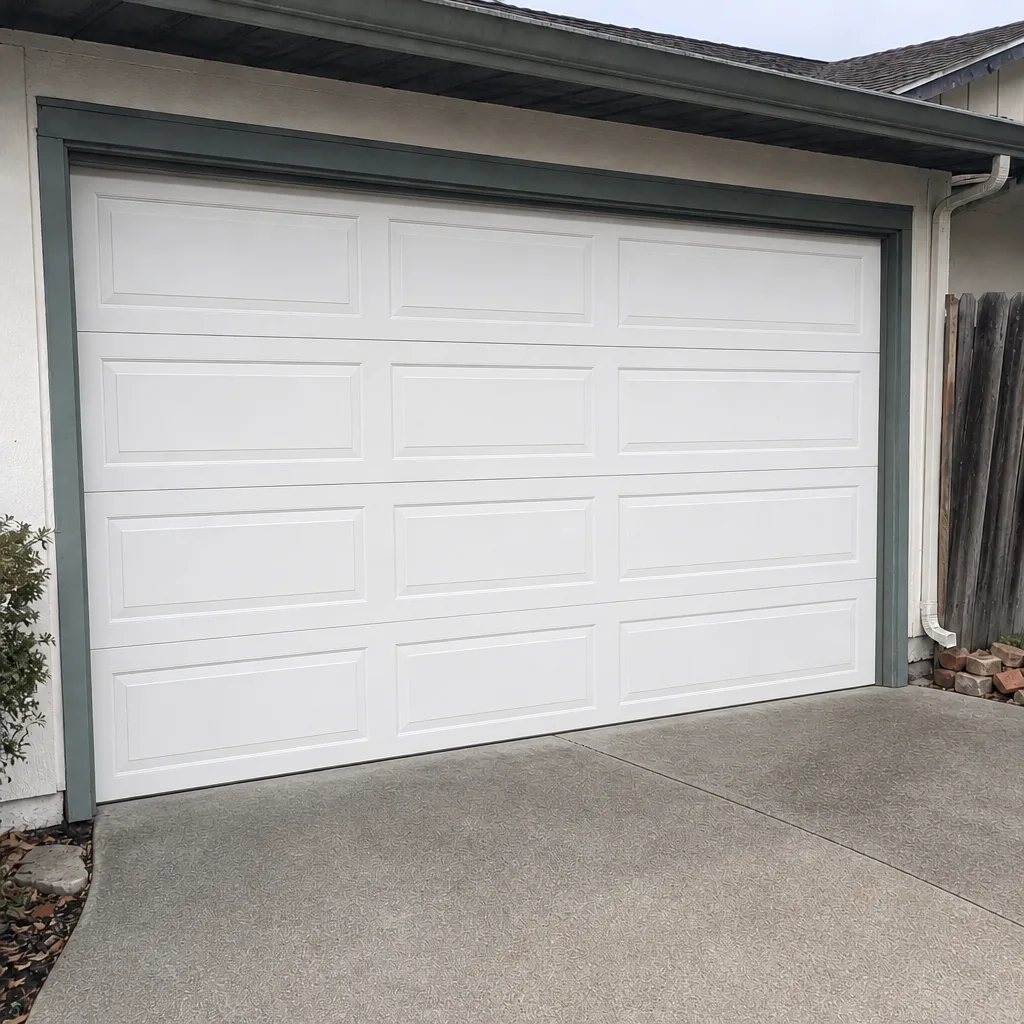 After
 Before
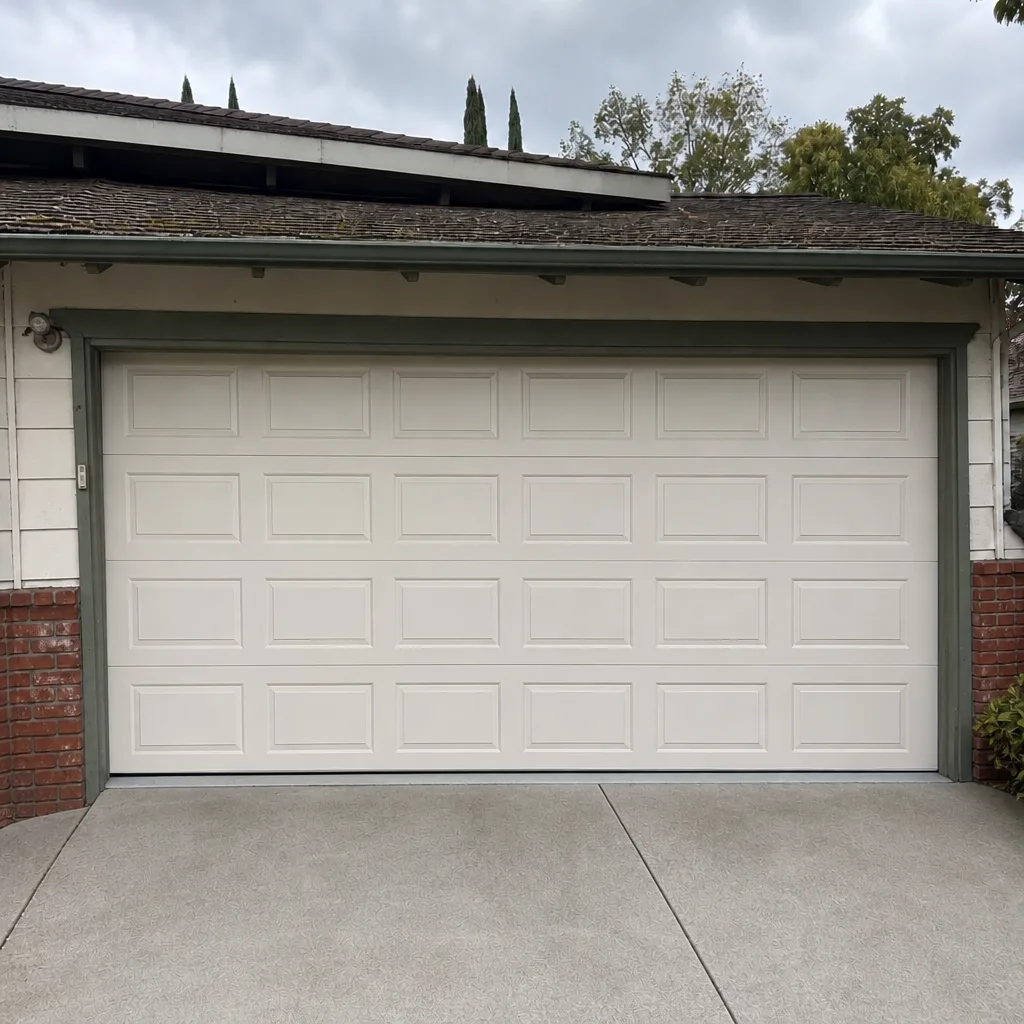 After
 Before
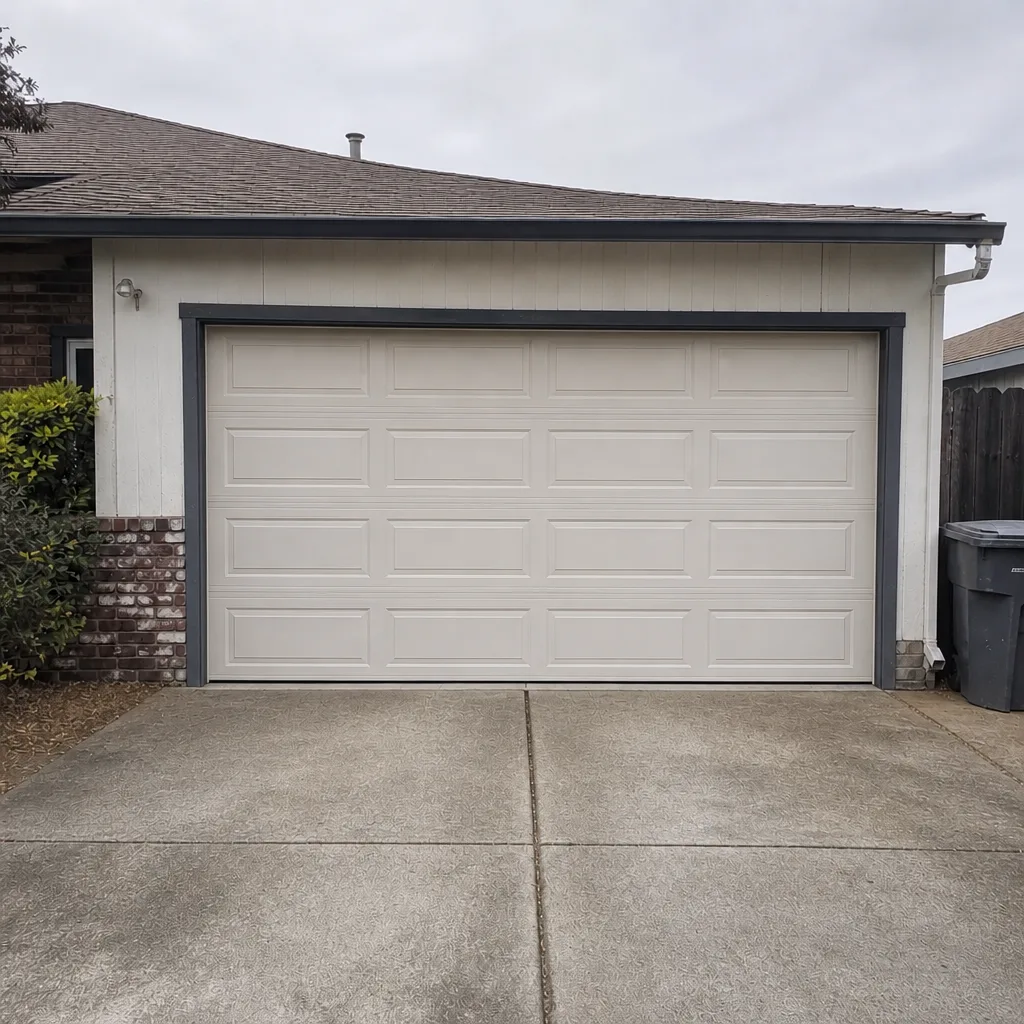 After
When to Call a Professional
Some jobs are fair for a homeowner, and some aren’t. Lubrication, seal inspection, and the auto-reverse test are manageable with basic care and attention. But when a spring is suspect, when the door isn’t balanced, when the opener is behaving erratically, or when a panel is warped, that’s the point to bring in a trained technician rather than test your luck. The risk isn’t worth it on a spring or a door under tension. Calloway Garage Door Repair offers free estimates in Vacaville, and our focus is on the door and the opener rather than a wider list of home services. We answer 24/7, fast dispatch runs from 7am to 7pm Sunday through Friday, and we’ll tell you straight whether a repair or replacement makes more sense for your door. Call (855) 922-3585.
Frequently Asked Questions
Twice a year is the rule of thumb here, once in spring before the heat and once in fall after it. Vacaville’s long, hot summers break down lubricant faster than a mild climate would, so the twice-yearly rhythm matches the local wear pattern better than a single annual pass. If your door runs stiffly or noisily between those checks, it’s worth a spot check and a fresh application.
Springs are under constant tension and their metal responds to temperature, so the sustained heat and day-to-night swings of a Vacaville summer put them under more stress than the rest of the year. That’s not a guarantee every spring fails in summer, but it’s the season when a failing spring is most likely to announce itself. Watch for a loud bang, a sudden heaviness in the door, or a visible gap in the coil, and call a professional rather than adjusting it yourself.
No. The auto-reverse force setting drifts with temperature even on a new door, which is why it isn’t a one-time thing. Test it at the top of each season, and if the door doesn’t reverse on contact or the photo-eye sensors don’t respond, stop using the door and have the opener settings checked.
Occasional freezing nights in Vacaville can stick a slightly wet bottom seal to the concrete, and the strain shows up when the door opens. Keep the seal clean and dry going into cold nights, and if you see a worn or stiff seal, replace it before winter rather than sanding it down. A trained technician can identify an alignment problem if the sticking keeps up after a good wipe-down.
Panel warping usually calls for a professional inspection because it can affect the track, hinges, and door balance. Small gaps or a door that doesn’t sit flush after summer may not fail right away, but they stress the hardware through winter. Having it checked in fall is the safest approach.
We work on the brands most commonly installed across homes, including LiftMaster, Chamberlain, Genie, Clopay, Amarr, Wayne Dalton, Craftsman, and Raynor. That range means we can diagnose your opener, door, or both without sending you to a separate opener specialist or a big-box installer. That’s the value of having a dedicated garage door company handle the whole check.
The Bottom Line
Seasonal garage door care in Vacaville works best when it follows the climate, not a generic quarterly checklist. The short version: lubricate and prep in spring, monitor springs and opener heat through summer, re-lubricate and check seals and panels in fall, and watch the bottom seal through cold nights in winter. Test the auto-reverse force every season, because it drifts with temperature, and leave any spring or balance issue to a trained technician. A door that’s cared for season by season is a door that lasts longer and fails less often, and that’s the whole goal. Calloway Garage Door Repair is a dedicated garage door specialist focused on repair, opener repair, and installation, and we’re happy to give you a straight answer about what your door needs. Our technicians have up to 13 years of experience, and we work on your brand, whether it’s a LiftMaster opener or a Raynor door. Call (855) 922-3585 for a free estimate. We answer 24/7. Fast dispatch from 7am to 7pm, Sunday through Friday.
Written by the team at Calloway Garage Door Repair.